
Beat the Heat with emergency ac repair annapolis Today

 Niklas
본문
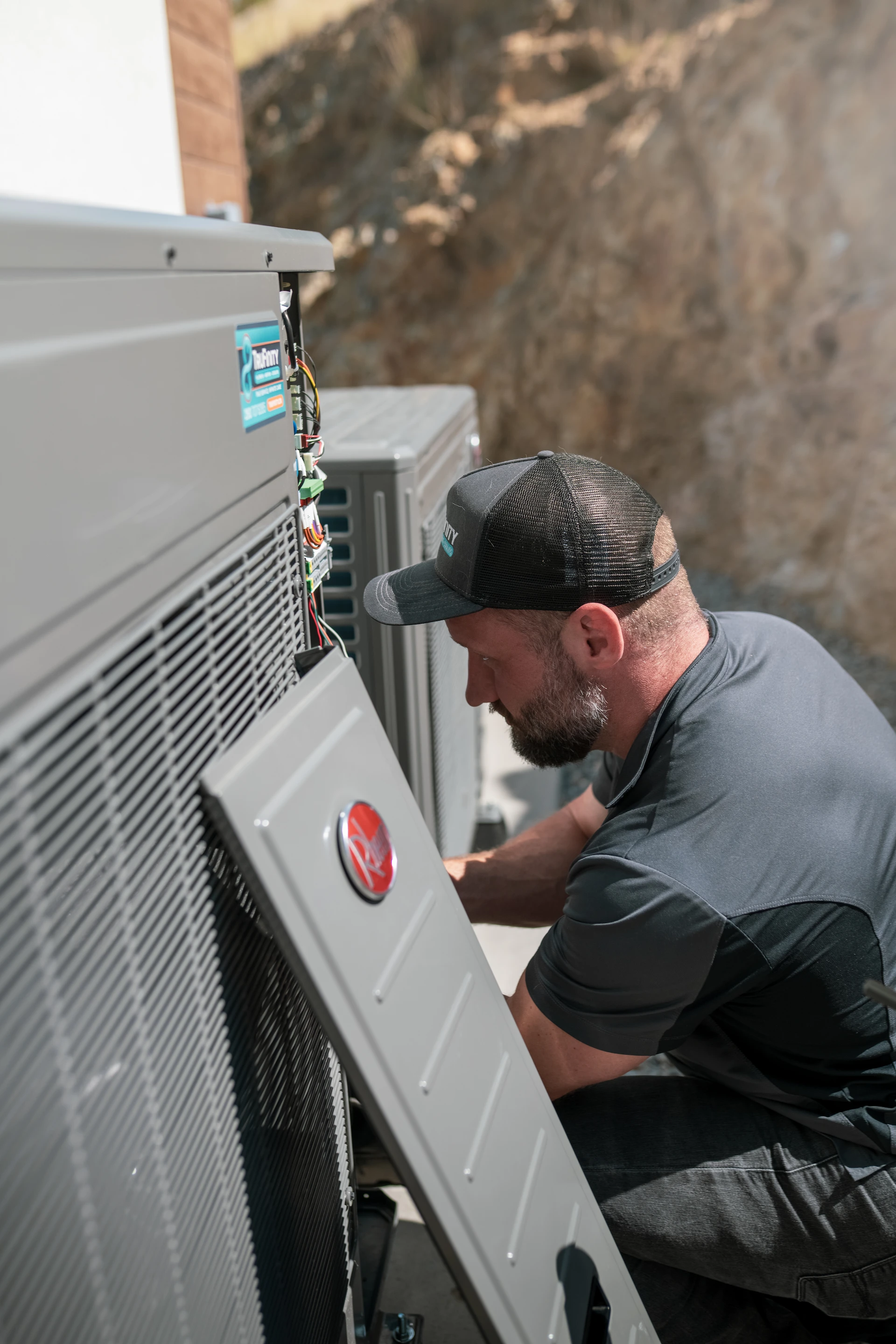
When cooling fails on a sweltering afternoon, the line between discomfort and damage gets dangerous. Homes heat up, shops lose customers, and servers risk shutdowns. Calm steps can protect your building until help arrives, and a tight action plan keeps cost under control. First, sort the symptoms, note any smells, and shut off breakers if you hear grinding. Then, gather model numbers, prior work notes, and recent filter dates for cleaner troubleshooting. That prep trims delays when the tech steps in. Plus, pick a quiet meetup spot near the unit to avoid back‑and‑forth. Write what rooms fail first, because that sequence often points at the culprit. In short, share concise details, approve small fixes, and ask for a test run before wrap‑up. Preparation wins over panic when dealing with hvac outages.
Map goals early, limit waste, and set clear priorities
Define the issue in clear terms, and bound the work to rooms that truly need cooling. Make sure the plan includes hvac as a fallback if temperatures spike again. Capture constraints like pets, nursery hours, or noise‑sensitive times, and note panel amp limits. Outline your duct paths, attic access, and condenser clearance so crews work without gridlock. Share a quick timeline with critical spaces first and lower‑use areas later. Staging keeps life simpler for homes and small shops.
Create a simple rubric for choices like repair vs. replace. Weigh uptime needs, age, and refrigerant type before you sign. For example, a café may accept milder storage for an hour but not a dining room. On the flip side, a server closet demands tight temps and quick fixes. Agree on decision points, like "approve parts if cost under X." Firm limits prevent stalls when the phone rings.
Build material readiness and inputs for faster first‑time fixes
Gather model numbers, serials, and filter sizes before you schedule. Keep your notes handy with hvac to speed sourcing if supply is tight. Bag screws, panels, and service keys in a small bin near the unit. Store a fresh filter, drain tablets, and coil brush within arm’s length. Simple staging shave time off every visit.
If the outdoor unit sits near fencing, clear an 18‑ to 24‑inch ring for airflow. Cut back vine growth and sweep leaves from the base pad. Indoors, check condensate lines for crimps. Replace a swollen capacitor only with a like‑for‑like match, voltage rating included. Mismatched parts invite failure and future callbacks.
Orchestrate workflow and timing to cut downtime
Set a clear window for arrival, testing, and proof of cooling. Keep the plan visible with hvac listed as the rapid response step if loads surge. Designate one point of contact to approve changes. Share access codes, dog gate notes, and parking details the night before. Clean paths cut minutes at every stage.
Sequence tasks to protect comfort. For instance, cool a daycare nap room first, then the office, then storage. Group attic work to cooler early hours, and leave outdoor tasks for shade. Note pressures, delta‑T, and amp draw after each fix. Write results in the same sheet, not sticky notes. Consistent notes beat memory on return visits.
Protect quality and limit risk with practical checks
Before declaring victory, prove airflow at the farthest vent and the hottest room. Keep running notes alongside hvac so patterns stand out next time. Tune in for short cycling, blower rattle, or fan whine. Check for burnt dust after restarts, but flag acrid odors. A five‑minute observation can catch a pricey miss. Tiny clues prevent big failures in the real world.
Test safeguards, too. Condensate switches should stop the system when the pan fills. Confirm breakers seat firmly and disconnects seat tight. Inspect contactors for pits and scorch marks. Shake spade connectors to spot loose terminals. Diligence boosts uptime more than hope ever will.
Balance budget and choices without losing comfort
Set a cap for emergency work, and a separate cap for follow‑ups. Keep a running tally alongside hvac so approvals stay crisp under pressure. Decide where speed beats thrift, like paying for after‑hours diagnosis. Delay cosmetic fixes to a calmer week. Rush adds cost, so spend it where it matters.
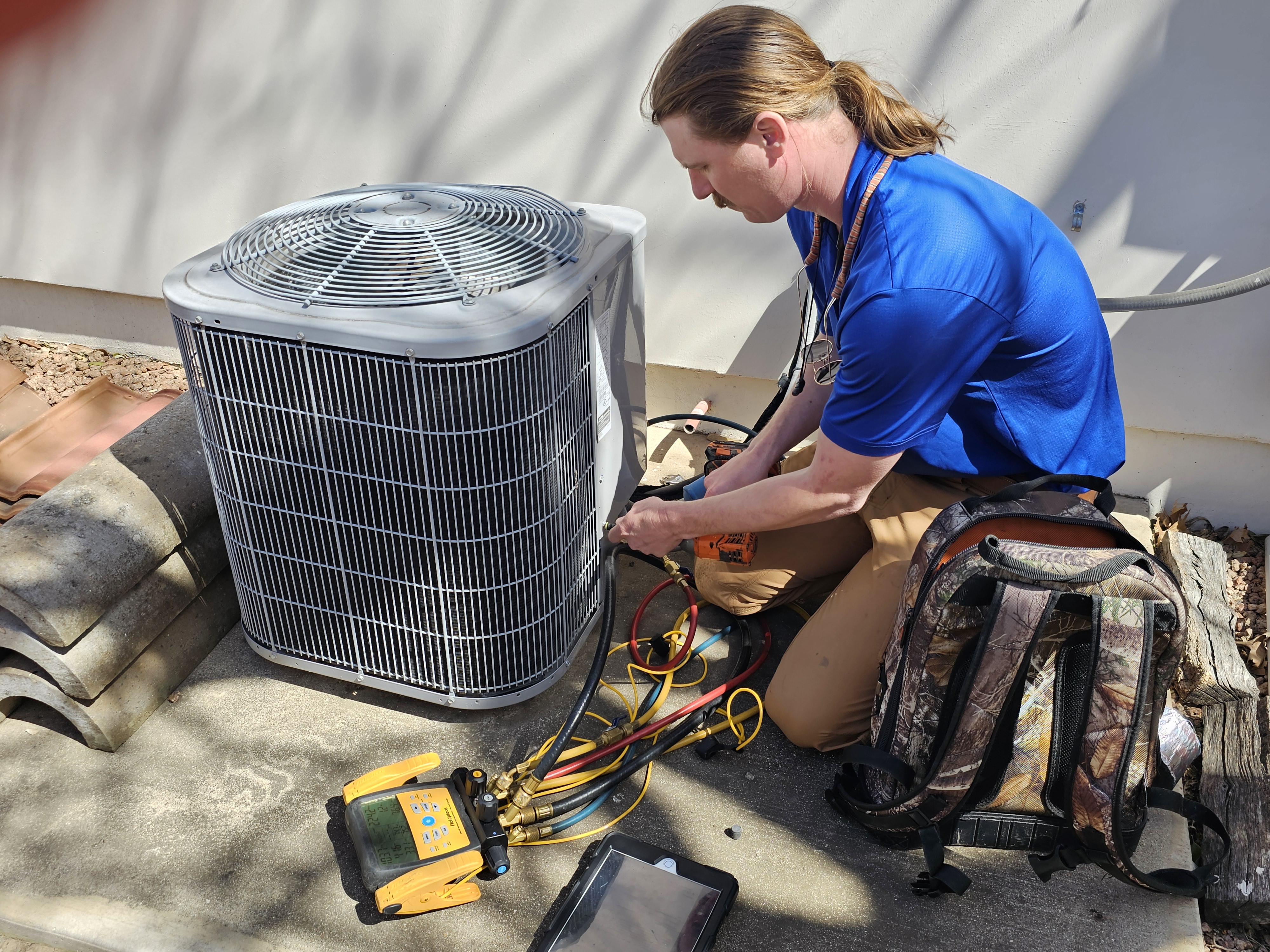
Run simple payback math on duct sealing, smart thermostats, and two‑stage options. Where a dining room sweats daily at 4 p.m., a capacity tweak may beat serial calls. Compare electric rates and estimated runtime to support upgrades. In rentals, weigh tenant comfort against vacancy risk. Clarity ends haggling when the unit is groaning.
Extend care and lifecycle with steady routines
Build a seasonal checklist that fits your site and climate. Keep the plan posted near equipment with hvac noted for peak‑heat contingencies. Change filters on schedule and log pressure drops. Wash coils, clear drains, and tablet the pan. Basic routines drive the biggest benefits over time.
Train users on small signs: iced lines, pooling water, or musty smells. Coach staff to report early, not after midnight. Add surge protection where storms hit hard. Protect outdoor units from lawn trimmers with a light barrier. Prevention beats panic when heat waves roll in.
In the rush to restore cooling, planning keeps scope tight, materials ready, and schedules calm. Quality checks catch risks before they grow. Smart spending preserves comfort without surprise overruns. With steady routines, your system stays resilient, and any future call for emergency ac repair annapolis turns from a crisis into a brief pause.
댓글목록0
댓글 포인트 안내