
The Ultimate Guide to Tarmac Calculators: Understanding Their Importan…

 Rosaura
4시간 18분전
2
0
본문
Once the user inputs the necessary parameters, the calculator processes the data and outputs the density value along with relevant information such as the optimum asphalt binder content and potential adjustments needed for achieving target density.
Design Recommendations: Based on the input data, the calculator generates recommendations for pavement thickness and layer configuration. This includes the base, sub-base, and surface layers, ensuring that the design meets the required structural and functional performance standard
Time Savings: Planning a project can be time-consuming, and miscalculations can lead to delays. A tarmac calculator streamlines the planning process by providing quick and accurate estimates, allowing you to focus on other aspects of the project.
The Asphalt Density Calculator is an essential tool in the field of civil engineering, particularly in the construction and maintenance of asphalt pavements. By providing accurate density calculations, it helps ensure that asphalt mixtures meet the necessary performance standards, ultimately leading to durable and long-lasting pavements. As technology advances, the integration of Asphalt Density Calculators with other engineering software systems is likely to enhance their functionality and ease of use, further contributing to the efficiency and effectiveness of pavement engineering practices. Its applications span the entire lifecycle of pavement engineering, from design to construction and maintenance, making it a valuable asset for engineers and contractors alike.
Always ensure you are using the correct density for your specific mix design. Compaction Rates: The level of compaction achieved during the paving process can also affect the final thickness and density of the asphalt layer. Adjust your calculations accordingly if necessary. Environmental Factors: Weather conditions can affect the paving process. Consider this when determining your initial thickness. Mix Design Variability: Different asphalt mixes have varying densities. For instance, extreme heat or cold can impact the asphalt’s performance.
 Traffic Load: The expected traffic load on the pavement can dictate the thickness of the asphalt. Heavier traffic areas, such as commercial parking lots or roads, may require thicker layers to withstand the stress.
Efficiency: The use of a Pavement Calculator significantly reduces the time required for pavement design. Engineers can quickly analyze various scenarios and make informed decisions without extensive manual calculation
The calculator may also incorporate adjustments for specific gravity and moisture content to refine the density calculation further. Where mass is the total weight of the asphalt mixture and volume is the space it occupies.
This engagement not only helped refine the calculator but also fostered a sense of community among users. The team implemented a feedback loop, allowing users to suggest improvements or report issues. Regular updates were made to the calculator based on user suggestions, further solidifying its relevance and utilit
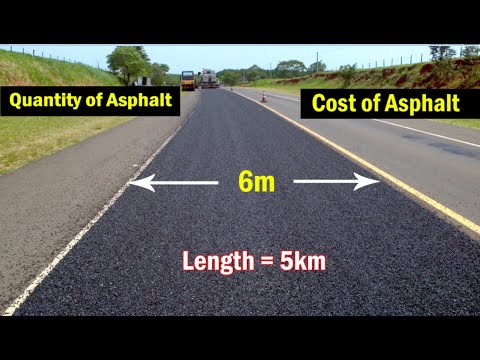
If the area is not a perfect rectangle, you may need to break it into smaller sections, calculate the area of each, and then sum them up. Measure the Area: Start by measuring the length and width of the area to be paved in feet.
In this article, we will delve into the importance of tarmac calculators, how they work, and tips for using them effectively. These calculators help estimate the amount of tarmac (also known as asphalt) needed for a specific project, ensuring that you purchase the right quantity and avoid wastage. Tarmac calculators are essential tools for anyone involved in construction, landscaping, or civil engineering.
 The success of this project serves as a model for future initiatives aimed at leveraging technology for practical solutions in construction and beyon By providing an accessible, user-friendly tool, the project not only addressed a practical need but also fostered community engagement and education. The DIY Asphalt Calculator exemplifies how technology can empower individuals and small businesses in the construction industry. As urban development continues to expand, tools like the DIY Asphalt Calculator will play an essential role in optimizing resources and enhancing the DIY experience for users.
The first step involved extensive research on asphalt, including its types, densities, and common uses. The team gathered data from various sources, including industry standards and engineering textbooks. They also consulted experienced contractors to understand the practical challenges faced in asphalt estimatio
One effective solution is the development of a DIY Asphalt Calculator. With the rising costs of materials and labor, homeowners and contractors alike are seeking ways to optimize their expenditures. Asphalt is a crucial material in construction, particularly for paving roads, driveways, and parking lots. This case study explores the creation, implementation, and impact of a DIY Asphalt Calculator, providing insights into its functionality, benefits, and user engagemen
Design Recommendations: Based on the input data, the calculator generates recommendations for pavement thickness and layer configuration. This includes the base, sub-base, and surface layers, ensuring that the design meets the required structural and functional performance standard
Time Savings: Planning a project can be time-consuming, and miscalculations can lead to delays. A tarmac calculator streamlines the planning process by providing quick and accurate estimates, allowing you to focus on other aspects of the project.
The Asphalt Density Calculator is an essential tool in the field of civil engineering, particularly in the construction and maintenance of asphalt pavements. By providing accurate density calculations, it helps ensure that asphalt mixtures meet the necessary performance standards, ultimately leading to durable and long-lasting pavements. As technology advances, the integration of Asphalt Density Calculators with other engineering software systems is likely to enhance their functionality and ease of use, further contributing to the efficiency and effectiveness of pavement engineering practices. Its applications span the entire lifecycle of pavement engineering, from design to construction and maintenance, making it a valuable asset for engineers and contractors alike.
Always ensure you are using the correct density for your specific mix design. Compaction Rates: The level of compaction achieved during the paving process can also affect the final thickness and density of the asphalt layer. Adjust your calculations accordingly if necessary. Environmental Factors: Weather conditions can affect the paving process. Consider this when determining your initial thickness. Mix Design Variability: Different asphalt mixes have varying densities. For instance, extreme heat or cold can impact the asphalt’s performance.
Traffic Load: The expected traffic load on the pavement can dictate the thickness of the asphalt. Heavier traffic areas, such as commercial parking lots or roads, may require thicker layers to withstand the stress.Efficiency: The use of a Pavement Calculator significantly reduces the time required for pavement design. Engineers can quickly analyze various scenarios and make informed decisions without extensive manual calculation
The calculator may also incorporate adjustments for specific gravity and moisture content to refine the density calculation further. Where mass is the total weight of the asphalt mixture and volume is the space it occupies.
This engagement not only helped refine the calculator but also fostered a sense of community among users. The team implemented a feedback loop, allowing users to suggest improvements or report issues. Regular updates were made to the calculator based on user suggestions, further solidifying its relevance and utilit
If the area is not a perfect rectangle, you may need to break it into smaller sections, calculate the area of each, and then sum them up. Measure the Area: Start by measuring the length and width of the area to be paved in feet.
In this article, we will delve into the importance of tarmac calculators, how they work, and tips for using them effectively. These calculators help estimate the amount of tarmac (also known as asphalt) needed for a specific project, ensuring that you purchase the right quantity and avoid wastage. Tarmac calculators are essential tools for anyone involved in construction, landscaping, or civil engineering.
The success of this project serves as a model for future initiatives aimed at leveraging technology for practical solutions in construction and beyon By providing an accessible, user-friendly tool, the project not only addressed a practical need but also fostered community engagement and education. The DIY Asphalt Calculator exemplifies how technology can empower individuals and small businesses in the construction industry. As urban development continues to expand, tools like the DIY Asphalt Calculator will play an essential role in optimizing resources and enhancing the DIY experience for users.The first step involved extensive research on asphalt, including its types, densities, and common uses. The team gathered data from various sources, including industry standards and engineering textbooks. They also consulted experienced contractors to understand the practical challenges faced in asphalt estimatio
One effective solution is the development of a DIY Asphalt Calculator. With the rising costs of materials and labor, homeowners and contractors alike are seeking ways to optimize their expenditures. Asphalt is a crucial material in construction, particularly for paving roads, driveways, and parking lots. This case study explores the creation, implementation, and impact of a DIY Asphalt Calculator, providing insights into its functionality, benefits, and user engagemen
댓글목록0
댓글 포인트 안내