
What Is Rice Really?

 Elyse Perrett
본문
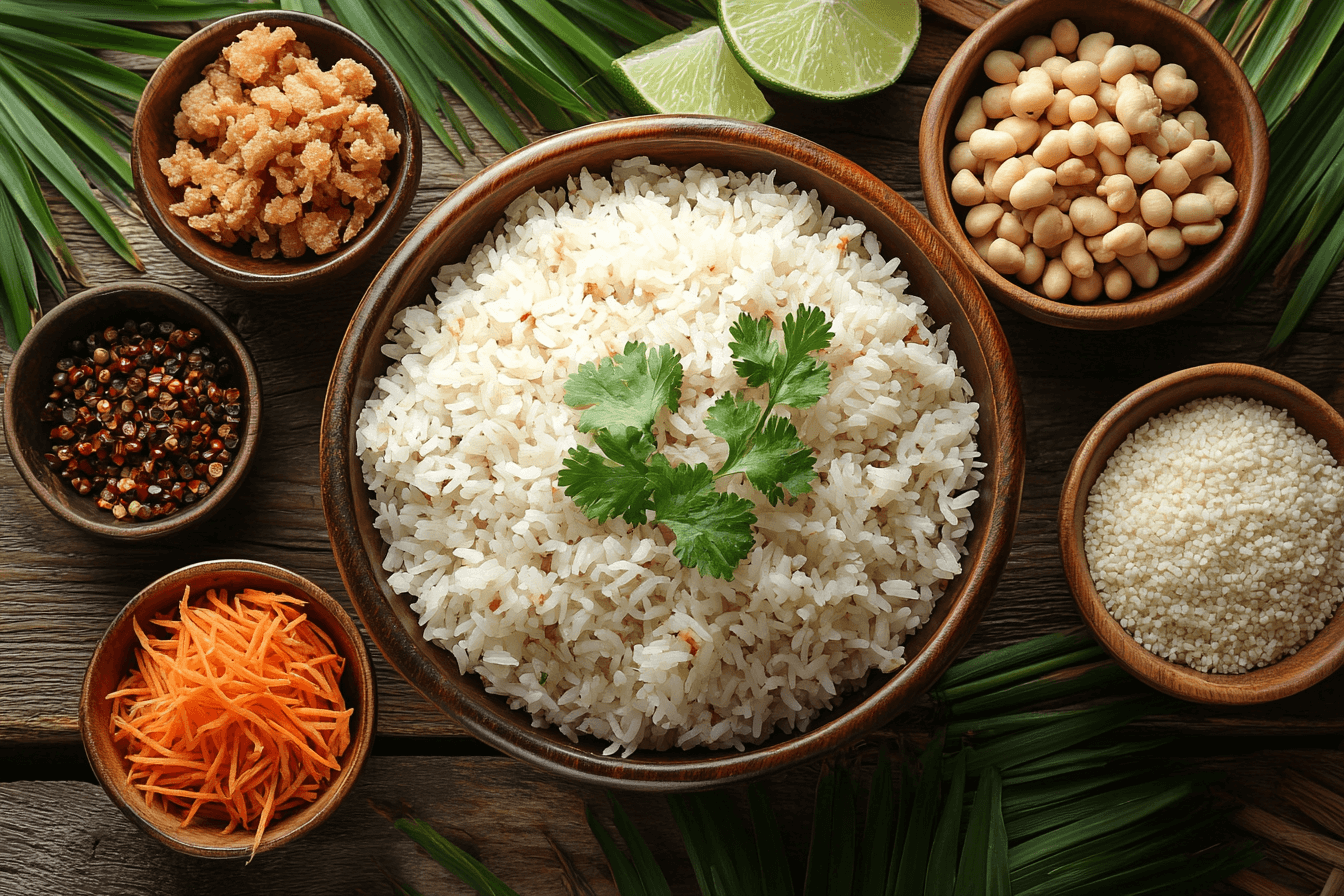
Rice is an integral part of human meals tradition-irrespective of where on the planet you journey, rice is eaten in homes and eating places, as foremost programs and as snacks, by wealthy and poor. Rice is such an integral part of the Zojirushi neighborhood, that we’ve planned a sequence of posts about this extremely versatile and important plant. The rice plant becomes ready to reproduce about 2 ½ months after sowing, when a panicle begins to form. The grains ripen over the following three months, and when ready to harvest, all the plant is picked from the soil. Poor soil conditions and different components, however, inhibited its anticipated widespread success. Wet circumstances will see the growth of the shoot first, in order that oxygen could be supplied to the plant, whereas in dry conditions, roots will emerge so that the plant may have a wholesome supply of water. Rice plants are evenly dried in the sun following rainy conditions or after harvest, and are threshed to take away the stems and leaves from the grains. Rice that is processed to remove only the husks, known as brown rice, contains about 8 p.c protein and small amounts of fats and is a source of thiamine, niacin, riboflavin, iron, and calcium.
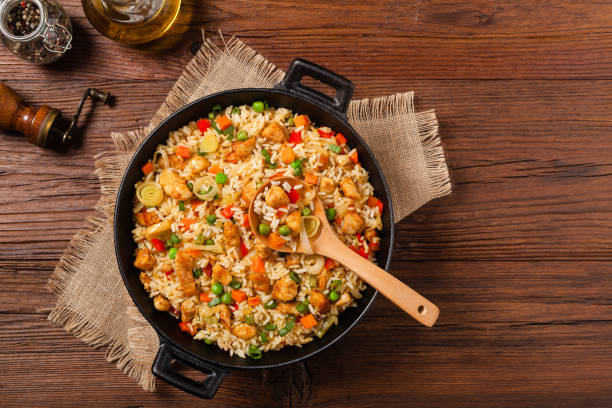 Rice that's milled to take away the bran as nicely is called white rice and is drastically diminished in nutrients. White rice, the place the husk and bran are removed, is enormously diminished in nutrients. What nutrients are present in rice? The cultivated rice plant grows to about 1.2 meters (4 ft) in height. The cultivated rice plant is an annual grass and grows to about 1.2 metres (4 feet) in peak. A grass that produces a flower and a grain, the domestication and annual planting of rice originally occurred within the Pearl River Valley region of China, alongside the mid-Yangtze River. It is an annual grass. The panicle, or inflorescence (flower cluster), is made from spikelets bearing flowers that produce the fruit or grain. The panicle, or inflorescence (flower cluster), is made up of spikelets bearing flowers that produce the fruit, or grain. It's a small semiaquatic grass, comprised of a fundamental stem and a number of tillers, or shoots, that produce both a flower or panicle. Brown rice, the place solely the husk is eliminated, accommodates about eight p.c protein and small amounts of fats; it also has thiamine, niacin, riboflavin, iron, and calcium.
The harvested rice kernel, often called paddy, or rough, rice, is enclosed by the hull, or husk. Milling normally removes each the hull and bran layers of the kernel, and a coating of glucose and talc is generally utilized to give the kernel a glossy end. The milling strategies used in most of Asia remain fairly primitive, however large mills function in Japan and another areas. Some massive mills, handling 500 to 1,000 tons of paddy every day, have specialized hulling plants with consequent smaller losses from damaged grain. Many cultures have proof of early rice cultivation, together with China, India, and the civilizations of Southeast Asia. More than ninety p.c of the world’s rice is grown in Asia, principally in China, India, Indonesia, and Bangladesh, with smaller quantities grown in Japan, Pakistan, and various countries of Southeast Asia. More than ninety percent of the world’s rice is grown in Asia, principally in China, India, Indonesia, and Bangladesh, with smaller amounts grown in Japan, Pakistan, and various Southeast Asian nations. Cultivation, instruments and methods unfold down the Yangtze River and the Huai River over the next 2,000 years, and have been shared with India, Sri Lanka, Japan, and countries surrounding the Mediterranean Sea as each trade and battle comingled cultures.
The unprocessed, unrefined grains go on to be cleaned, polished and packaged before they're used to create the various dishes human society all around the world relies on for nutrition and sustenance. The plant matures in levels over 3-6 months, from the vegetative state, to the reproductive state, to the ripening state. Through the vegetative state, the plant stem grows, becoming sturdy enough to assist tillers - branches that develop from the principle plant stem to bear grain-and leaves, which multiply each 3-4 days. In arid zones, the plant survives as a perennial, producing new tillers following harvesting. Fields should be drained and dried earlier than harvesting. When mix harvesters or binder threshers are employed, the grain have to be dried to about 14 percent moisture so that no deterioration takes place in storage. Improvements are slowly taking place. The seeds are sown in prepared beds, and when the seedlings are 25 to 50 days old, they are transplanted to a subject, or paddy, that has been enclosed by levees and submerged underneath 5 to 10 cm (2 to four inches) of water, remaining submerged throughout the growing season. The plant is initially germinated from the seeds of unrefined, unprocessed rice.
If you loved this information and you want to receive more information concerning what is rice please visit our site.
댓글목록0
댓글 포인트 안내