
How to Design a Small Kitchen Without Sacrificing Style or Sleep

 Rudolph Pina
본문
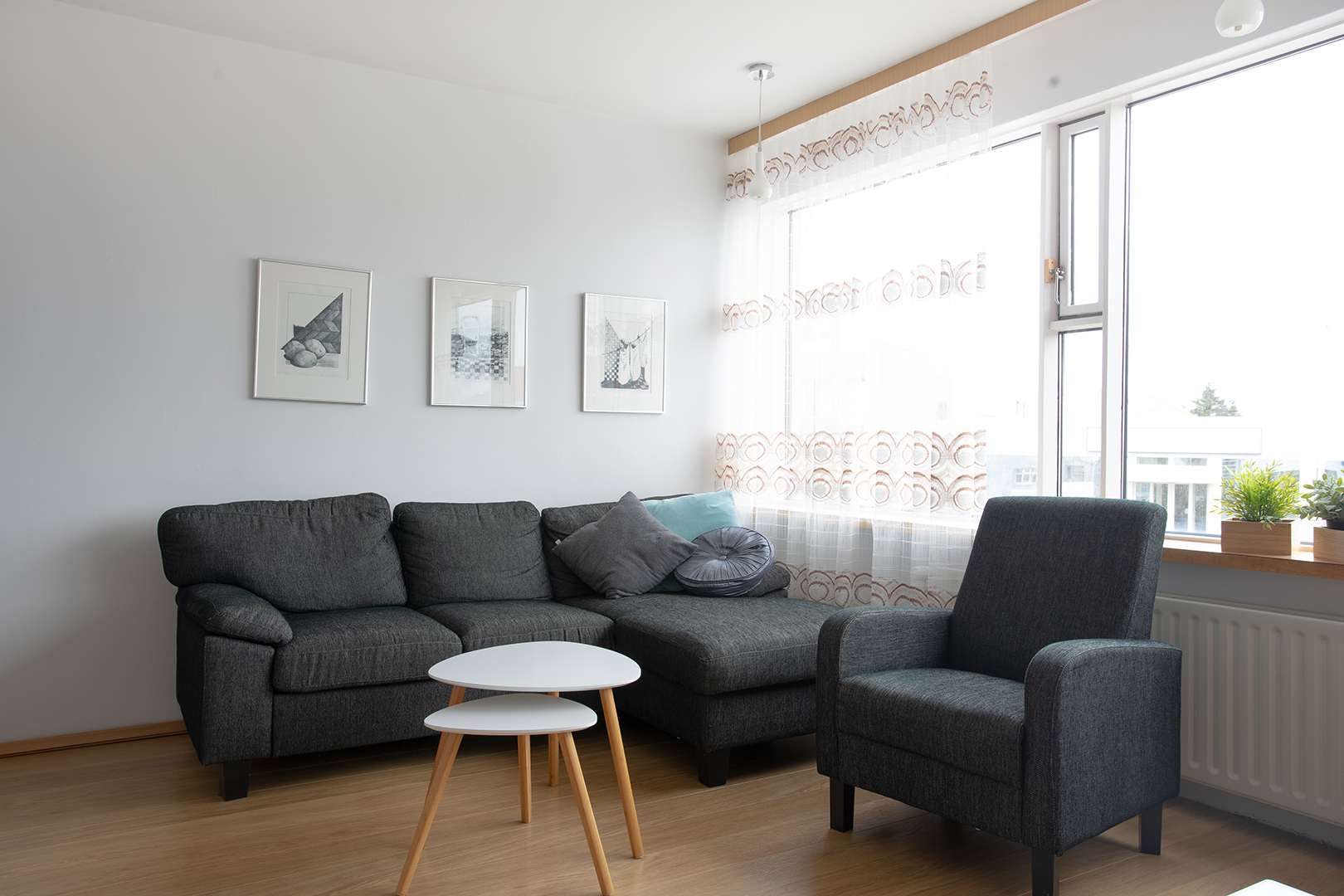
Walk into any tiny apartment and you will see the same compromise: a cramped kitchen that forces you to store your good pans in the bathtub, or a living room where the sofa turns into a bed but leaves you no surface to chop an onion. I have been there. My first rental was a 35-square-meter box where the kitchen counter doubled as my desk, dining table, and cat-watching perch. After years of trial and error, I learned that designing a small kitchen is not about squeezing in more cabinets. It is about deciding what you truly need to cook, sleep, and live without bumping your hip into the fridge every time you turn around. Forget the glossy magazine spreads with marble islands you cannot fit through the door. Let me walk you through the real mess: the floor plans, the overnight guests, and the fact that your bed with storage has to coexist with your stovetop.
The biggest mistake I see is people trying to separate functions with walls that do not exist. In a small space, your kitchen and sleeping area are going to share air, light, and floor space. So embrace the overlap. Instead of a traditional dining table, install a 40-centimeter-deep counter with a simple wooden top that cantilevers over a compact sofa bed. You can eat breakfast there, then push the dishes aside and unfold the sofa bed for a guest. The key is to choose furniture that works double duty without looking like a transformer toy. A pull-out sofa with a solid slatted frame underneath will support a foam mattress far better than the cheap wire contraptions that sag after three months. I once picked a model with a click-clack mechanism that flips into a flat sleeping surface in one motion, and it saved me from tripping over loose cushions at 2 AM.
Now about storage. Most small kitchens come with exactly three upper cabinets and a laughable set of drawers. You have to get creative. The space under your sofa bed is prime real estate. Look for a bed with storage that has deep drawers on casters, not the shallow plywood trays that barely hold two pairs of sheets. Use those drawers for pots, lids, and your slow cooker. If your pull-out sofa sits against the kitchen wall, install a slim shelf right above the backrest at a height of 120 centimeters. That shelf holds your coffee maker, your canisters of pasta, and a cutting board. You lose zero floor space. The velvet upholstery on the sofa might seem like a bad idea near a greasy stovetop, but a mid-tone charcoal or navy velvet actually hides stains well and wipes clean with a damp cloth. Just avoid light beige unless you never cook bacon.
The question of how to design a small kitchen really comes down to the vertical plane. You cannot add square meters, but you can add height. Wall-mounted magnetic strips for knives, pegboards for spatulas and tongs, and a rail system with hooks for your measuring cups will clear your countertops instantly. I installed a simple Ikea rail above my sink, and suddenly I had room to roll out dough. Consider a fold-down table that mounts to the wall and sits flush when not used. When you have guests sleeping on the pull-out sofa, that table becomes a landing pad for their phone and a glass of water. Also, think about your appliance placement. A microwave on the counter is a waste of space. Instead, mount it under a cabinet, or buy a combo unit that sits on a shelf with a dedicated outlet hidden behind the trim.
Lighting in a combined kitchen-sleeping area is tricky. Overhead fixtures cast shadows on your countertops and wake up anyone on the sofa bed with harsh glare. Go for layered lighting. Under-cabinet LED strips along the front edge of your upper cabinets give you direct light for chopping without illuminating the whole room. A single pendant with a dimmer switch above the pull-out sofa lets you read at night without blinding yourself. And please, no recessed cans that drip cold light onto your face while you try to sleep. Warm white bulbs at 2700 Kelvin make the space feel cozy, not like a hospital break room. I learned this the hard way when my first overhead fixture made my foam mattress look like a crime scene.
Another overlooked strategy is the use of textiles to define zones. You cannot build a wall between your kitchen and your sleeping area, but you can hang a heavy curtain on a ceiling track. Choose a fabric that coordinates with your velvet upholstery. When dinner is done and the click-clack mechanism has been deployed, pull the curtain closed. Suddenly your kitchen disappears, and you are left with a private bedroom. It sounds simple, but it changes how you feel in the space. You stop tasting garlic oil in your pillow. For overnight guests, this curtain also provides a sense of dignity. They do not want to wake up staring at your dirty frying pan.
Now let me warn you about one specific failure point: the slatted frame. Do not buy a sofa bed that uses a single piece of plywood as a sleeping surface. It will sag, it will trap moisture from your foam mattress, and it will creak every time you roll over. Look for a model with a true slatted frame with curved, flexible no more than three centimeters apart. This allows air circulation and supports the foam mattress evenly. I have a friend who bought a cheap click-clack sofa with a solid wood base, and within a year the foam mattress developed permanent indentations. She replaced the mattress twice before giving up. Spend the extra money on the frame. Your back will thank you.
Finally, address the small floor plan head-on. Measure everything twice before you buy anything. A pull-out sofa advertised as a queen might actually be 10 centimeters shorter than a standard mattress, so bring a tape measure to the store. Test the click-clack mechanism yourself. Does it require yanking the handle with both hands while kicking the base? That is a design failure. The mechanism should glide open with one hand. And when you are choosing a bed with storage, check that the drawers have full-extension slides. Otherwise you will be on your hands and knees fishing for the saucepan behind the winter coats. Learning how to design a small kitchen is largely about learning how to edit your life. You cannot store what you never use. So donate the bread maker, the juicer, and the twelve mismatched mugs. Keep only what earns its place on the counter or inside that bed with storage. Your space will feel bigger, your sleep will be deeper, and your morning coffee will taste better because you are not stepping over a pile of camping gear to reach the stove.
댓글목록0
댓글 포인트 안내