
How Yoga Pigeon Pose Modified our Lives In 2026

 Kandy Martins
본문
But there are methods to switch Pigeon Pose for rookies to effectively target the same tissues as the standard asana. The Yin Yoga form of the asana is named Swan Pose, while the Aerial yoga variant, supported in a hammock, is known as Flying Pigeon Pose. Deer Pose is a form from the yin tradition that resembles Pigeon Pose in many ways apart from one clear distinction-a bent again leg. The basic pose is described in the 20th century by two of Krishnamacharya's pupils, Pattabhi Jois and B. K. S. Iyengar; several different variants have been created. You might also wish to have a yoga strap. Watch out doing Pigeon Pose if you’ve had a knee damage or produce other knee issues. It's only after they get confused that issues start. To get essentially the most out of your yoga follow, add Sudarshan Kriya Yoga, also known as SKY Breath Meditation. You’ll get a way of this in the event you sit with one leg bent and the other leg stretched straight out behind you. Lie on your again and extend arms out in a "T" formation. Then flatten the foot to the floor and sink the pelvis as you walk the palms back beside the pelvis.
Along with your hands on the floor for stability, carry your spine upright and widen your chest. Repeat and come up just a little increased this time, pressing down into the ground by means of the palms to help press the chest forward and open. Puff up your chest and reach your coronary heart toward your proper shin. 6. Reach your pelvis toward the ground to create an opposition of power in all instructions. Bend your back (left) knee and reach your left arm again. For the accomplished pose bend the knee of the rear leg, and grasp the foot or ankle with one or both hands. Variations: Keep knees together or bend one leg over the other. Bring knees into chest, after which drop knees to at least one side and direct your gaze in the opposite path. Repeat on the other aspect. In this variation, the rear foot hooks the arm on the identical facet. For Eka Pada Rajakapotasana II, the fingers and the rear foot are as for Rajakapotasana I, however the only of the entrance foot is on the ground in entrance of the hip, and the entrance knee is sharply bent with the knee forwards of the foot; the hips are off the bottom.
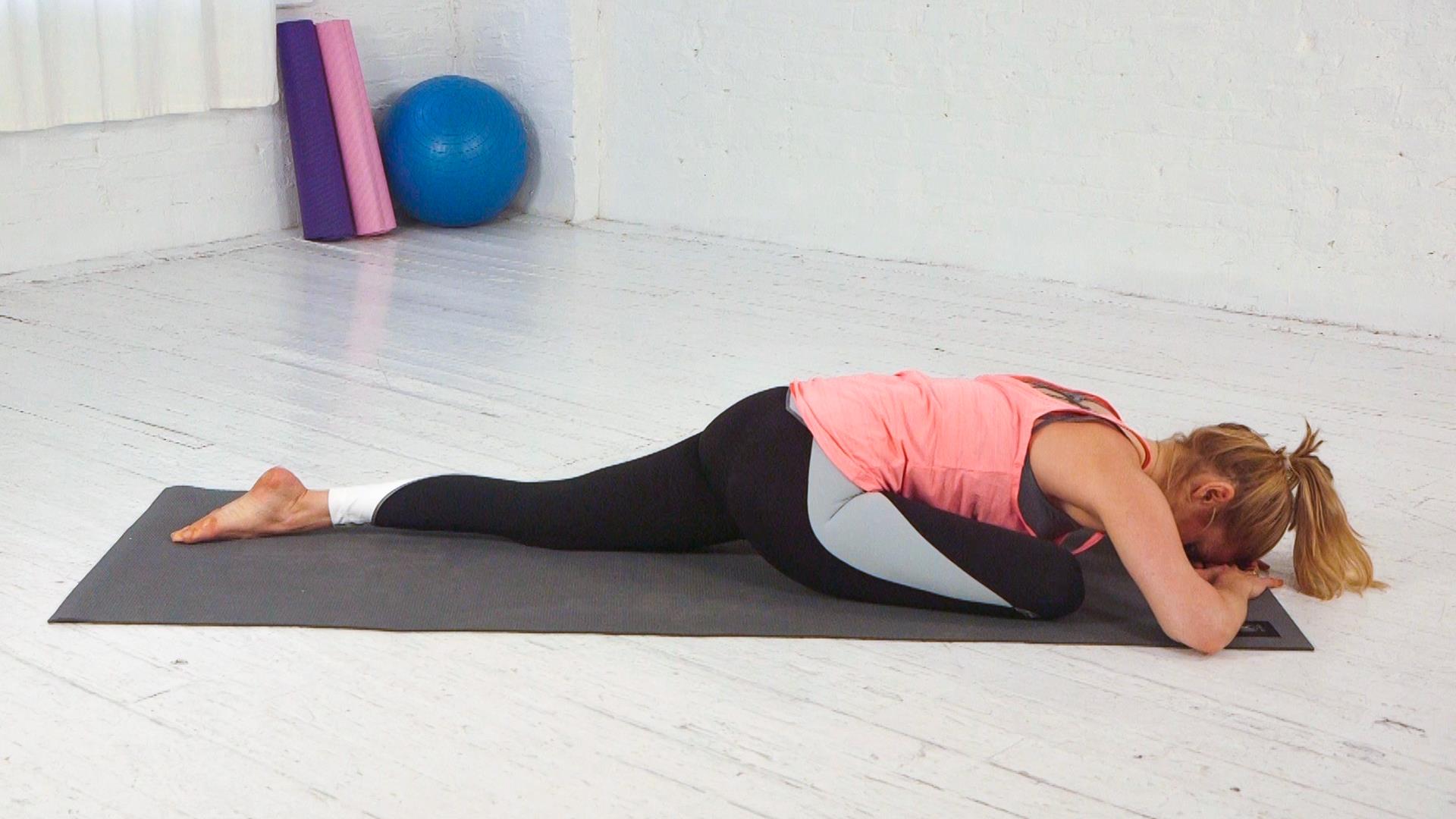 But fortunately, there are some ways to practice Pigeon Pose for rookies or these with less mobility. Stay lively within the pose. 4. Option to remain as you're or rise to your fingertips and root your fingers down into the ground to elongate your spine. 5. Option to stay as you're or scoot your seat nearer to your left ankle to intensify the sensations of the pose. Option to place props beneath your torso to support your weight or decrease to your forearms or release your complete torso to the floor. 3. Option to stay as you are or lift your left foot off the ground. For Eka Pada Rajakapotasana IV, the arms and the rear foot are as for Rajakapotasana I, however the entrance foot is stretched straight forwards alongside the ground. The pose may be practised using props: the rear lower leg vertically up a wall, a yoga block below the sitting bones, one other block if wanted beneath the front leg, and a strap between the arms and the rear foot.
Starting from sitting in Dandasana (stick pose), one knee is bent, maintaining the knee on the ground, so the foot is just in front of the groin, and the other leg is taken straight back. This reduces stress on the knee and helps you progress safely into the pose. Instead, move your knee slightly outdoors your shoulder. Cross one ankle over the alternative knee and gently transfer the lifted leg away from the body. In a traditional Sleeping Pigeon Pose, you want vital exterior rotation in your focused hip joint, deep flexion in both hips and a stable knee and ankle joint to support the external rotation of the hip. Rajakapotasana is described as strongly hip-opening, both increasing the outward rotation of the femur within the hip joint of the entrance leg, and lengthening the hip-flexing psoas muscle of the rear leg. Pigeon or Salamba Kapotasana, the rear leg is straight out and the fingers are on the ground beside the hips, lowering the backbend. In Eka Pada Rajakapotasana III, the fingers and the rear foot are as for Rajakapotasana I, however in accordance with Iyengar Yoga the front knee factors forwards, with the entrance foot and lower leg on the bottom beneath the thigh.
If you liked this article and you would like to get additional information concerning Yoga Pigeon Pose kindly visit our own internet site.
댓글목록0
댓글 포인트 안내