
Advancements in Artificial Intelligence: Transforming Industries and D…

 Geraldo
2026-06-07 01:41
22
0
본문
Intermittency: Many renewable energy sources, such as solar and wind, are intermittent, meaning they do not produce energy consistently. This variability can pose challenges for energy grid management and reliability.
It is time for individuals, businesses, and governments to unite in their commitment to renewable energy and work towards a sustainable future for all. As the world faces the dire consequences of global warming, transitioning to sustainable energy sources is imperative for a healthier planet and future generations. The path may be fraught with challenges, but the potential rewards are immense. The importance of renewable energy in combating climate change cannot be overstated. By embracing renewable energy, we can reduce greenhouse gas emissions, enhance energy security, stimulate economic growth, and improve public health.
 Specific Features: Some users may require specialized features that Cursor AI does not provide. Cost Considerations: Depending on the scale of use, the pricing model of Cursor AI may not be feasible for all users, particularly small businesses or startups. Integration Needs: Businesses often use multiple tools and platforms, and compatibility with existing systems is crucial. User Experience: The interface and usability of a platform can significantly affect productivity; some users may prefer a different user experience.
As this technology evolves, it holds the potential to redefine how we interact with digital content across various platforms. For example, gaming consoles like the Microsoft Kinect have employed gesture recognition to create immersive gaming experiences where players can physically engage with the game environment. Similarly, virtual reality (VR) systems utilize gesture recognition to allow users to interact with virtual spaces naturally.
 Users can integrate these models into their applications via API, making them highly versatile for various use cases. OpenAI’s models, including GPT-3 and the more recent GPT-4, are among the most advanced AI language models available. They excel in natural language processing tasks, such as text generation, summarization, translation, and more.
For instance, when a user presses a virtual button on a touchscreen, haptic feedback can simulate the sensation of a physical button being pressed. By combining haptic feedback with other cursor alternatives, developers can create richer, more engaging user experiences. This technology is particularly effective in mobile devices, gaming controllers, and VR environments, where a more immersive experience is desired.
While the park provided a space for social interaction, some challenges and barriers were observed. These factors highlighted the need for ongoing maintenance and community engagement to ensure that the park remains a welcoming space for all. Notably, the presence of litter and maintenance issues detracted from the overall experience for some visitors. Additionally, certain areas of the park felt overcrowded, which occasionally led to discomfort among park-goers.
These devices allow users to control the cursor with finger movements, providing a compact and efficient way to navigate without a mouse. The integration of haptic feedback in some advanced touchpads also adds a tactile element to the user experience. Multi-touch gestures, such as pinch-to-zoom and three-finger swipes, enhance functionality, making trackpads a versatile option for both casual users and professionals. Trackpads and touchpads are common on laptops and some external keyboards, offering an alternative to traditional mouse cursors.
In the vast realm of digital interfaces, the cursor has long been the primary tool for interaction. However, as technology evolves, so too do the methods of interaction. This article explores various cursor alternatives that enhance user experience, improve accessibility, and propel the future of human-computer interaction. Traditionally, users have relied on the mouse pointer to navigate, select, and manipulate elements on their screens.
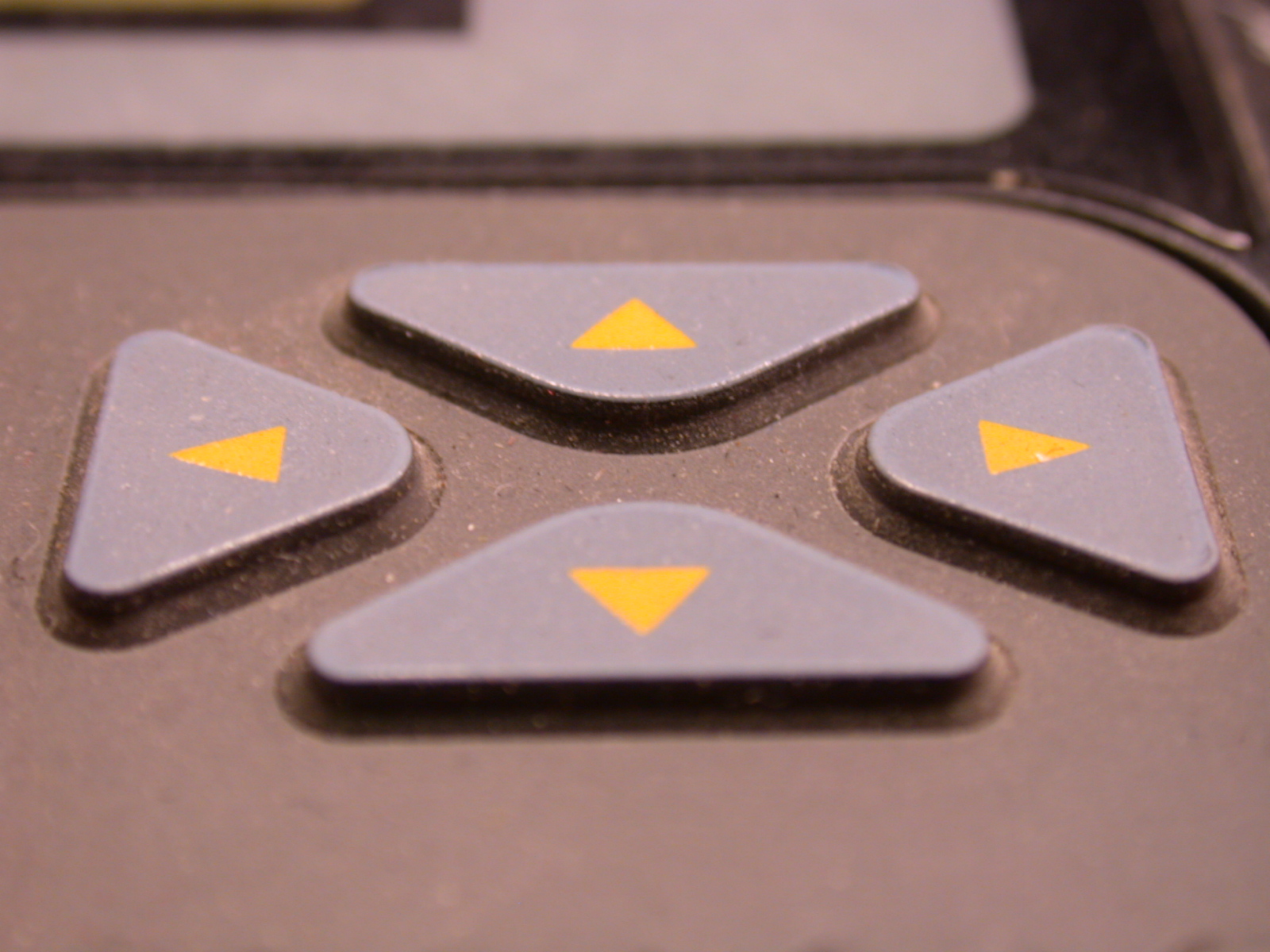 From touchscreen gestures and stylus pens to eye-tracking technology and voice control, users now have a diverse array of options to enhance their digital experience. As technology continues to advance, the landscape of cursor alternatives is expanding rapidly. These alternatives not only cater to different preferences and needs but also promote accessibility and inclusivity in technology.
The advancements in AI are not just incremental; they represent a paradigm shift in how we interact with technology, process information, and make decisions. This article explores the current state of AI, highlighting key advancements and their implications across various sectors. In recent years, artificial intelligence (AI) has made remarkable strides, fundamentally transforming industries and everyday life.
Many regions, especially developing countries, may lack the necessary financial resources and technology. Infrastructure and Investment: Transitioning to renewable energy requires significant investment in infrastructure, including energy storage solutions, grid upgrades, and distribution networks.
It is time for individuals, businesses, and governments to unite in their commitment to renewable energy and work towards a sustainable future for all. As the world faces the dire consequences of global warming, transitioning to sustainable energy sources is imperative for a healthier planet and future generations. The path may be fraught with challenges, but the potential rewards are immense. The importance of renewable energy in combating climate change cannot be overstated. By embracing renewable energy, we can reduce greenhouse gas emissions, enhance energy security, stimulate economic growth, and improve public health.
Specific Features: Some users may require specialized features that Cursor AI does not provide. Cost Considerations: Depending on the scale of use, the pricing model of Cursor AI may not be feasible for all users, particularly small businesses or startups. Integration Needs: Businesses often use multiple tools and platforms, and compatibility with existing systems is crucial. User Experience: The interface and usability of a platform can significantly affect productivity; some users may prefer a different user experience.As this technology evolves, it holds the potential to redefine how we interact with digital content across various platforms. For example, gaming consoles like the Microsoft Kinect have employed gesture recognition to create immersive gaming experiences where players can physically engage with the game environment. Similarly, virtual reality (VR) systems utilize gesture recognition to allow users to interact with virtual spaces naturally.
Users can integrate these models into their applications via API, making them highly versatile for various use cases. OpenAI’s models, including GPT-3 and the more recent GPT-4, are among the most advanced AI language models available. They excel in natural language processing tasks, such as text generation, summarization, translation, and more.For instance, when a user presses a virtual button on a touchscreen, haptic feedback can simulate the sensation of a physical button being pressed. By combining haptic feedback with other cursor alternatives, developers can create richer, more engaging user experiences. This technology is particularly effective in mobile devices, gaming controllers, and VR environments, where a more immersive experience is desired.
While the park provided a space for social interaction, some challenges and barriers were observed. These factors highlighted the need for ongoing maintenance and community engagement to ensure that the park remains a welcoming space for all. Notably, the presence of litter and maintenance issues detracted from the overall experience for some visitors. Additionally, certain areas of the park felt overcrowded, which occasionally led to discomfort among park-goers.
These devices allow users to control the cursor with finger movements, providing a compact and efficient way to navigate without a mouse. The integration of haptic feedback in some advanced touchpads also adds a tactile element to the user experience. Multi-touch gestures, such as pinch-to-zoom and three-finger swipes, enhance functionality, making trackpads a versatile option for both casual users and professionals. Trackpads and touchpads are common on laptops and some external keyboards, offering an alternative to traditional mouse cursors.
In the vast realm of digital interfaces, the cursor has long been the primary tool for interaction. However, as technology evolves, so too do the methods of interaction. This article explores various cursor alternatives that enhance user experience, improve accessibility, and propel the future of human-computer interaction. Traditionally, users have relied on the mouse pointer to navigate, select, and manipulate elements on their screens.From touchscreen gestures and stylus pens to eye-tracking technology and voice control, users now have a diverse array of options to enhance their digital experience. As technology continues to advance, the landscape of cursor alternatives is expanding rapidly. These alternatives not only cater to different preferences and needs but also promote accessibility and inclusivity in technology.The advancements in AI are not just incremental; they represent a paradigm shift in how we interact with technology, process information, and make decisions. This article explores the current state of AI, highlighting key advancements and their implications across various sectors. In recent years, artificial intelligence (AI) has made remarkable strides, fundamentally transforming industries and everyday life.
Many regions, especially developing countries, may lack the necessary financial resources and technology. Infrastructure and Investment: Transitioning to renewable energy requires significant investment in infrastructure, including energy storage solutions, grid upgrades, and distribution networks.
댓글목록0
댓글 포인트 안내