
Understanding the Asphalt Tonnage Calculator: A Comprehensive Guide

 Hubert Antone
2026-07-09 01:01
21
0
본문
If the area is not a perfect rectangle, you may need to break it into smaller sections, calculate the area of each, and then sum them up. Measure the Area: Start by measuring the length and width of the area to be paved in feet.
An asphalt calculator is a tool that helps contractors, homeowners, and project managers determine the amount of asphalt required for a specific area measured in square feet. By inputting the dimensions of the area to be paved and the desired thickness of the asphalt layer, users can obtain an estimate of the total volume and weight of asphalt needed for the project. This calculation is essential for budgeting, ordering materials, and ensuring that the project runs smoothly without delays caused by material shortages.
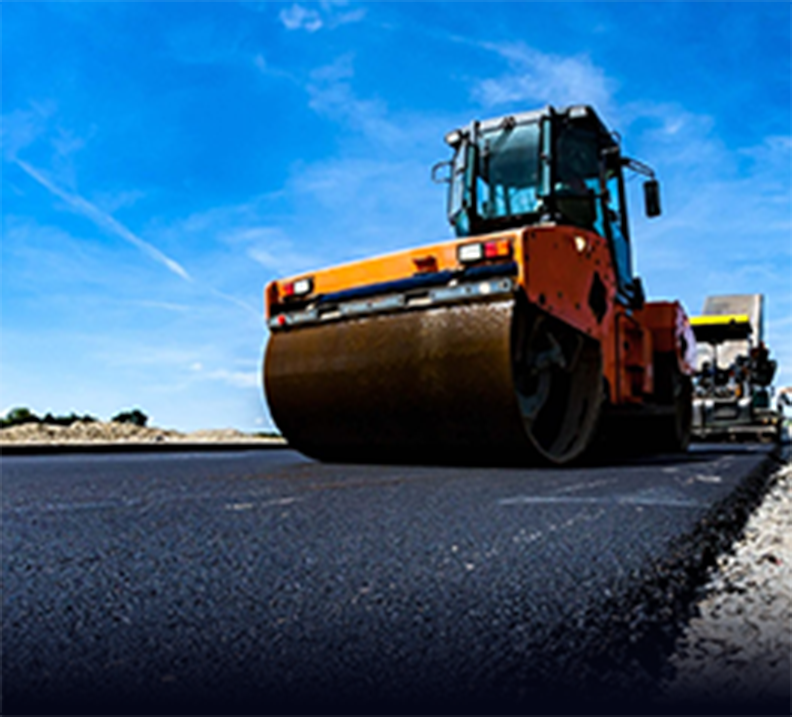 Project Timeline: Delays caused by material shortages can impact the overall timeline of the project. Accurate calculations help ensure that materials are on-site when needed, keeping the project on schedule.
Drainage: Proper drainage is crucial for the longevity of an asphalt surface. If the area has drainage issues, additional considerations may need to be made regarding the thickness and installation of the asphalt.
Cost Efficiency: One of the primary reasons to use a tarmac calculator is to estimate costs accurately. By calculating the exact amount of tarmac needed, you can avoid over-purchasing, which leads to wasted materials and unnecessary expenses.
Road construction calculators can quickly adjust estimates based on new inputs, allowing for more flexible project management. Adaptability to Changing Conditions: Road construction projects often face unexpected challenges, such as weather delays or changes in material costs.
This is where the Cold Patch Asphalt Calculator becomes an invaluable tool. An accurate calculation ensures that you have the right amount of material needed to complete the job successfully. Using too much or too little cold patch asphalt can lead to ineffective repairs, increased costs, and wasted materials. When undertaking any repair project, accurate measurements are crucial.
This is where an asphalt paving calculator comes into play. Whether you are paving a driveway, parking lot, or a road, accurate calculations are essential to ensure the project is completed efficiently and cost-effectively. Asphalt paving is a crucial aspect of construction and maintenance in both residential and commercial projects. In this article, we will explore what an asphalt paving calculator is, how it works, its benefits, and its importance in the paving process.
Input the Values: Enter the measured area and the desired thickness into the calculator. Some calculators may also require the density of the asphalt mix, which typically ranges from 140 to 150 pounds per cubic foot.
Accuracy: One of the primary benefits of using an asphalt paving calculator is the accuracy it provides. An asphalt paving calculator minimizes these risks. Manual calculations can lead to errors, which can result in over-ordering or under-ordering materials.
Asphalt Density: Different asphalt mixes have varying densities. It is crucial to select the correct density for the specific type of asphalt being used, as this will impact the total weight and volume calculations.
Common thicknesses range from 1.5 to 3 inches, depending on the type of project (e.g., residential driveways may require less than commercial roadways). Decide on the Thickness: The thickness of the asphalt layer is crucial for calculating the tonnage.
This efficiency is particularly beneficial in large-scale projects where the volume of calculations can be overwhelming. Increased Efficiency: By automating the calculation process, road construction calculators save time and reduce the likelihood of human error.
This includes asphalt, concrete, gravel, and other essential materials. By inputting parameters such as road length, width, and thickness, users can receive accurate estimates of material needs. Material Estimation: One of the primary functions of a road construction calculator is to estimate the quantities of materials required for the project.
This allows project managers to budget more effectively and avoid unexpected expenses. Cost Estimation: The calculator not only helps in determining the volume of asphalt needed but can also provide cost estimates based on local asphalt prices.
Market Conditions: Fluctuations in material costs and labor availability can impact the effectiveness of cost estimates. Road construction calculators that allow for real-time updates based on market conditions are particularly advantageous in such scenarios.
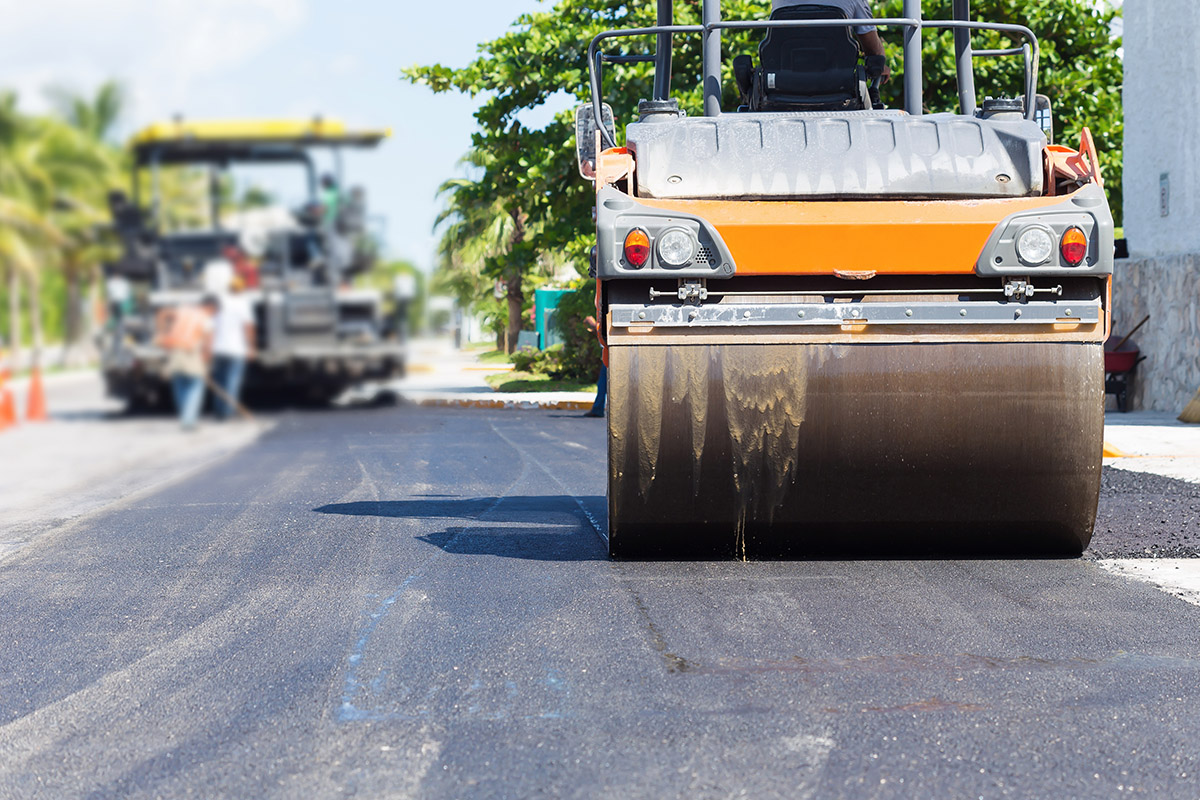 An Asphalt Tonnage Calculator is an indispensable tool for contractors and project managers in the construction industry. Understanding how to use the calculator effectively, along with being aware of the various factors influencing asphalt requirements, can lead to successful project outcomes. Whether for a small residential driveway or a large-scale highway construction, mastering this tool is key to achieving optimal results in asphalt applications. By providing accurate estimates of the asphalt required for a project, it facilitates better planning, budgeting, and execution. With careful measurement and consideration of potential pitfalls, the use of an Asphalt Tonnage Calculator can greatly enhance the efficiency and effectiveness of asphalt paving projects.
An asphalt calculator is a tool that helps contractors, homeowners, and project managers determine the amount of asphalt required for a specific area measured in square feet. By inputting the dimensions of the area to be paved and the desired thickness of the asphalt layer, users can obtain an estimate of the total volume and weight of asphalt needed for the project. This calculation is essential for budgeting, ordering materials, and ensuring that the project runs smoothly without delays caused by material shortages.
Project Timeline: Delays caused by material shortages can impact the overall timeline of the project. Accurate calculations help ensure that materials are on-site when needed, keeping the project on schedule.Drainage: Proper drainage is crucial for the longevity of an asphalt surface. If the area has drainage issues, additional considerations may need to be made regarding the thickness and installation of the asphalt.
Cost Efficiency: One of the primary reasons to use a tarmac calculator is to estimate costs accurately. By calculating the exact amount of tarmac needed, you can avoid over-purchasing, which leads to wasted materials and unnecessary expenses.
Road construction calculators can quickly adjust estimates based on new inputs, allowing for more flexible project management. Adaptability to Changing Conditions: Road construction projects often face unexpected challenges, such as weather delays or changes in material costs.
This is where the Cold Patch Asphalt Calculator becomes an invaluable tool. An accurate calculation ensures that you have the right amount of material needed to complete the job successfully. Using too much or too little cold patch asphalt can lead to ineffective repairs, increased costs, and wasted materials. When undertaking any repair project, accurate measurements are crucial.
This is where an asphalt paving calculator comes into play. Whether you are paving a driveway, parking lot, or a road, accurate calculations are essential to ensure the project is completed efficiently and cost-effectively. Asphalt paving is a crucial aspect of construction and maintenance in both residential and commercial projects. In this article, we will explore what an asphalt paving calculator is, how it works, its benefits, and its importance in the paving process.
Input the Values: Enter the measured area and the desired thickness into the calculator. Some calculators may also require the density of the asphalt mix, which typically ranges from 140 to 150 pounds per cubic foot.
Accuracy: One of the primary benefits of using an asphalt paving calculator is the accuracy it provides. An asphalt paving calculator minimizes these risks. Manual calculations can lead to errors, which can result in over-ordering or under-ordering materials.
Asphalt Density: Different asphalt mixes have varying densities. It is crucial to select the correct density for the specific type of asphalt being used, as this will impact the total weight and volume calculations.
Common thicknesses range from 1.5 to 3 inches, depending on the type of project (e.g., residential driveways may require less than commercial roadways). Decide on the Thickness: The thickness of the asphalt layer is crucial for calculating the tonnage.
This efficiency is particularly beneficial in large-scale projects where the volume of calculations can be overwhelming. Increased Efficiency: By automating the calculation process, road construction calculators save time and reduce the likelihood of human error.
This includes asphalt, concrete, gravel, and other essential materials. By inputting parameters such as road length, width, and thickness, users can receive accurate estimates of material needs. Material Estimation: One of the primary functions of a road construction calculator is to estimate the quantities of materials required for the project.
This allows project managers to budget more effectively and avoid unexpected expenses. Cost Estimation: The calculator not only helps in determining the volume of asphalt needed but can also provide cost estimates based on local asphalt prices.
Market Conditions: Fluctuations in material costs and labor availability can impact the effectiveness of cost estimates. Road construction calculators that allow for real-time updates based on market conditions are particularly advantageous in such scenarios.
An Asphalt Tonnage Calculator is an indispensable tool for contractors and project managers in the construction industry. Understanding how to use the calculator effectively, along with being aware of the various factors influencing asphalt requirements, can lead to successful project outcomes. Whether for a small residential driveway or a large-scale highway construction, mastering this tool is key to achieving optimal results in asphalt applications. By providing accurate estimates of the asphalt required for a project, it facilitates better planning, budgeting, and execution. With careful measurement and consideration of potential pitfalls, the use of an Asphalt Tonnage Calculator can greatly enhance the efficiency and effectiveness of asphalt paving projects.
댓글목록0
댓글 포인트 안내