
Army Body Fat Calculator & ACFT: Understanding the Tape Test

 Annmarie
2026-07-14 18:39
11
0
본문
Moreover, rowing can be easily modified to suit different fitness levels, making it an inclusive option for beginners and seasoned athletes alike. It enhances muscular strength, improves flexibility, and promotes coordination. The rhythmic nature of rowing also contributes to mental well-being, as it can be meditative and stress-relieving. The benefits of rowing extend beyond mere cardiovascular conditioning.
One of the key features of the acft calculator promotion points 2026 army is its gender- and age-neutral scoring system, which aims to promote fairness and inclusivity. This change has sparked discussions about the implications of standardized fitness assessments and their impact on soldier readiness.
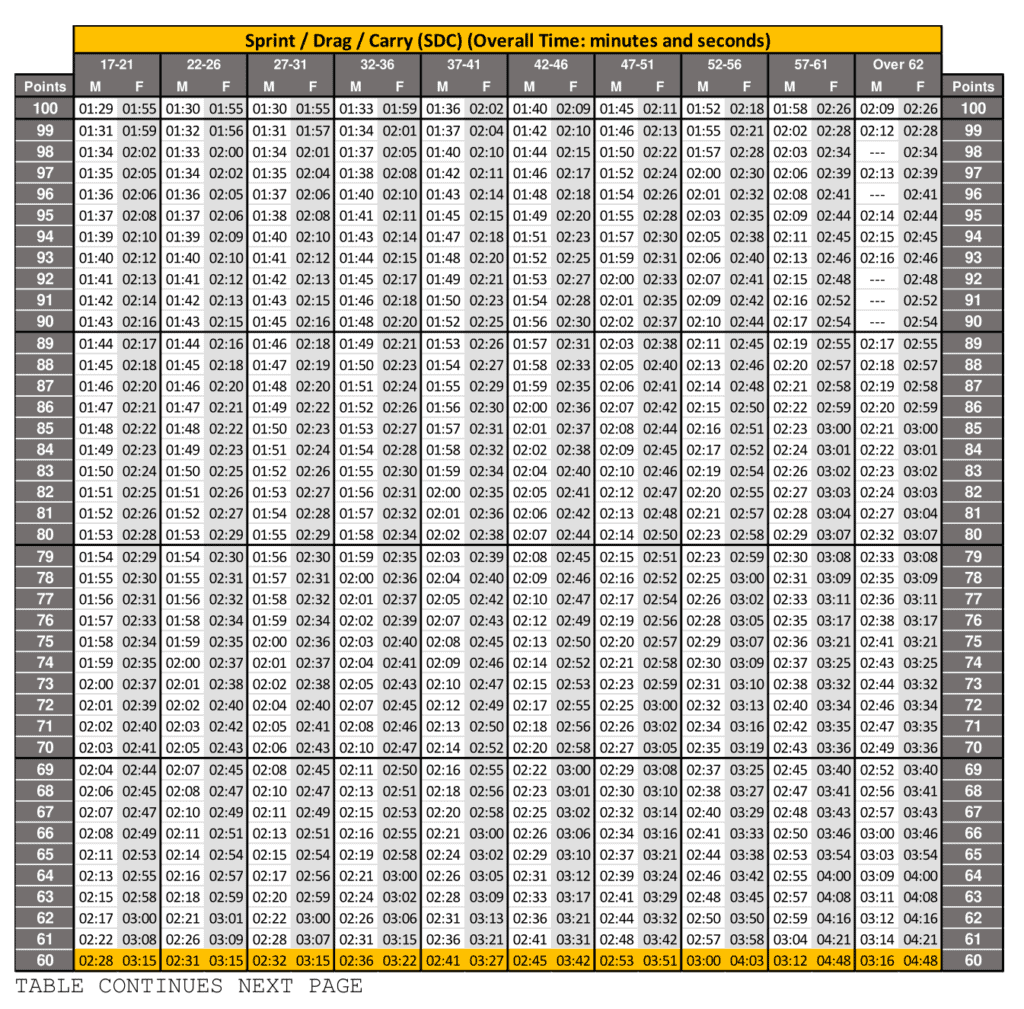 Each event is designed to evaluate different aspects of physical fitness, including strength, endurance, agility, and coordination. One of the key components of the 2025 ACFT is the incorporation of six events: the deadlift, standing power throw, hand-release push-up, sprint-drag-carry, plank, and two-mile run. The scoring for each event is based on performance metrics that are adjusted to account for age and gender, ensuring a fair assessment across the diverse soldier population.
The ACFT aims to ensure that soldiers possess the physical capabilities necessary to perform their duties effectively. However, while the ACFT focuses on physical performance, body composition remains an integral aspect of a soldier's overall fitness profile, which is where the Army Body Fat Calculator and the tape test come into play. The ACFT, introduced in 2020, is a comprehensive fitness assessment that evaluates a soldier's physical readiness through a series of exercises, including deadlifts, standing power throws, hand-release push-ups, sprint-drag-carry, leg tucks, and a two-mile run.
The Army Combat Fitness Test (ACFT) was introduced to enhance physical readiness and combat performance among soldiers in the U.S. This case study examines the implementation, challenges, and outcomes associated with the ACFT scale, a comprehensive fitness assessment that has transformed the way physical fitness is evaluated in the military.
Soldiers are encouraged to monitor their body composition regularly and engage in fitness programs that promote overall health and wellness. For soldiers, understanding the implications of the tape test is essential for maintaining compliance with Army regulations. This includes a balanced diet, regular exercise, and a focus on building lean muscle mass, which can positively impact body fat percentage.
In recent years, there has been a push to incorporate additional metrics, such as body mass index (BMI) and waist-to-height ratio, to provide a more comprehensive view of a soldier's health and fitness. However, the tape test remains a cornerstone of the Army's body fat assessment process, largely due to its simplicity and ease of administration. The Army acknowledges these concerns and has made efforts to refine its body composition assessment methods.
While running has long been the go-to activity for many, alternate aerobic events such as rowing, cycling, and swimming have gained traction as effective alternatives that cater to a wide range of fitness levels and preferences. In the realm of fitness, aerobic events have always played a significant role in enhancing cardiovascular health, building endurance, and promoting overall well-being. This article explores the standards and benefits of these alternate aerobic events, emphasizing their role in a balanced fitness regimen.
While challenges remain, the positive outcomes associated with the ACFT indicate that it has the potential to enhance soldier readiness and performance. In conclusion, the ACFT scale represents a significant shift in the way physical fitness is assessed in the U.S. As the Army continues to adapt and refine the ACFT, it will undoubtedly play a crucial role in shaping the future of military fitness assessments and training programs.
Units have begun to incorporate more diverse training programs, emphasizing strength, endurance, and agility. Moreover, the ACFT has sparked a renewed focus on physical training and conditioning among soldiers. This shift has not only improved individual fitness levels but has also fostered camaraderie and teamwork within units.
Each event is scored based on performance, and soldiers must achieve a minimum score to pass. The test consists of six events: the deadlift, standing power throw, hand-release push-ups, sprint-drag-carry, leg tuck, and a two-mile run. The ACFT was officially implemented in October 2020 after extensive testing and feedback from soldiers across various units.
Additionally, the transition period saw various logistical issues, including the need for specialized equipment and facilities to conduct the test. Some units struggled to adapt to the new requirements, leading to inconsistencies in testing and training regimens.
 Embracing variety in aerobic exercises can lead to a more sustainable and enjoyable fitness journey. By setting personal standards and integrating these alternate aerobic events into a fitness routine, individuals can achieve their health goals while enjoying the myriad benefits these activities offer. As fitness enthusiasts continue to seek diverse and effective ways to maintain their health, alternate aerobic events such as rowing, cycling, and swimming present valuable options. Each of these activities not only provides a rigorous cardiovascular workout but also promotes muscular strength, flexibility, and mental well-being.
One of the key features of the acft calculator promotion points 2026 army is its gender- and age-neutral scoring system, which aims to promote fairness and inclusivity. This change has sparked discussions about the implications of standardized fitness assessments and their impact on soldier readiness.
Each event is designed to evaluate different aspects of physical fitness, including strength, endurance, agility, and coordination. One of the key components of the 2025 ACFT is the incorporation of six events: the deadlift, standing power throw, hand-release push-up, sprint-drag-carry, plank, and two-mile run. The scoring for each event is based on performance metrics that are adjusted to account for age and gender, ensuring a fair assessment across the diverse soldier population.The ACFT aims to ensure that soldiers possess the physical capabilities necessary to perform their duties effectively. However, while the ACFT focuses on physical performance, body composition remains an integral aspect of a soldier's overall fitness profile, which is where the Army Body Fat Calculator and the tape test come into play. The ACFT, introduced in 2020, is a comprehensive fitness assessment that evaluates a soldier's physical readiness through a series of exercises, including deadlifts, standing power throws, hand-release push-ups, sprint-drag-carry, leg tucks, and a two-mile run.
The Army Combat Fitness Test (ACFT) was introduced to enhance physical readiness and combat performance among soldiers in the U.S. This case study examines the implementation, challenges, and outcomes associated with the ACFT scale, a comprehensive fitness assessment that has transformed the way physical fitness is evaluated in the military.
Soldiers are encouraged to monitor their body composition regularly and engage in fitness programs that promote overall health and wellness. For soldiers, understanding the implications of the tape test is essential for maintaining compliance with Army regulations. This includes a balanced diet, regular exercise, and a focus on building lean muscle mass, which can positively impact body fat percentage.
In recent years, there has been a push to incorporate additional metrics, such as body mass index (BMI) and waist-to-height ratio, to provide a more comprehensive view of a soldier's health and fitness. However, the tape test remains a cornerstone of the Army's body fat assessment process, largely due to its simplicity and ease of administration. The Army acknowledges these concerns and has made efforts to refine its body composition assessment methods.
While running has long been the go-to activity for many, alternate aerobic events such as rowing, cycling, and swimming have gained traction as effective alternatives that cater to a wide range of fitness levels and preferences. In the realm of fitness, aerobic events have always played a significant role in enhancing cardiovascular health, building endurance, and promoting overall well-being. This article explores the standards and benefits of these alternate aerobic events, emphasizing their role in a balanced fitness regimen.
While challenges remain, the positive outcomes associated with the ACFT indicate that it has the potential to enhance soldier readiness and performance. In conclusion, the ACFT scale represents a significant shift in the way physical fitness is assessed in the U.S. As the Army continues to adapt and refine the ACFT, it will undoubtedly play a crucial role in shaping the future of military fitness assessments and training programs.
Units have begun to incorporate more diverse training programs, emphasizing strength, endurance, and agility. Moreover, the ACFT has sparked a renewed focus on physical training and conditioning among soldiers. This shift has not only improved individual fitness levels but has also fostered camaraderie and teamwork within units.
Each event is scored based on performance, and soldiers must achieve a minimum score to pass. The test consists of six events: the deadlift, standing power throw, hand-release push-ups, sprint-drag-carry, leg tuck, and a two-mile run. The ACFT was officially implemented in October 2020 after extensive testing and feedback from soldiers across various units.
Additionally, the transition period saw various logistical issues, including the need for specialized equipment and facilities to conduct the test. Some units struggled to adapt to the new requirements, leading to inconsistencies in testing and training regimens.
Embracing variety in aerobic exercises can lead to a more sustainable and enjoyable fitness journey. By setting personal standards and integrating these alternate aerobic events into a fitness routine, individuals can achieve their health goals while enjoying the myriad benefits these activities offer. As fitness enthusiasts continue to seek diverse and effective ways to maintain their health, alternate aerobic events such as rowing, cycling, and swimming present valuable options. Each of these activities not only provides a rigorous cardiovascular workout but also promotes muscular strength, flexibility, and mental well-being.
댓글목록0
댓글 포인트 안내