
Sprint-Drag-Carry (SDC): Lane Layout & Scoring Guide

 Emilie
2026-06-24 22:51
12
0
본문
Lower scores indicate better performance, as they signify quicker completion times. Athletes are timed from the start of the sprint to the finish of the carry, and the cumulative time reflects their performance. The SDC score is calculated by adding the total time taken to complete all three components.
The introduction of the ACFT and its calculations has significant implications for soldiers and the Army. This shift encourages soldiers to develop well-rounded fitness regimens rather than focusing solely on running or push-ups. Firstly, it emphasizes a holistic approach to fitness, recognizing that physical readiness is not just about strength but also endurance, agility, and flexibility.
This case study delves into the anticipated modifications and implications of the ACFT Score 2026 L, focusing on its impact on soldier performance, readiness, and overall health within the United States Army. The Army Combat Fitness Test (ACFT) has undergone significant changes since its inception, and the 2026 iteration promises to further refine the standards by which soldiers are evaluated.
The Sprint-Drag-Carry (SDC) is a multifaceted physical fitness test designed to assess an individual’s strength, speed, agility, and endurance. This case study explores the lane layout and scoring guide for the SDC, providing insights into its implementation in various training environments and competitions.
These standards can be adjusted based on the specific goals of the training program or competition. For example, competitive athletes may aim for a total time under 20 seconds, while recreational participants may have a benchmark of 30 seconds. To effectively evaluate athletes, performance standards should be established based on age, gender, and fitness levels.
Introduced to replace the Army Physical Fitness Test (APFT), the ACFT aims to provide a more comprehensive assessment of soldiers' physical readiness, ensuring they are prepared for the rigors of combat. The importance of ACFT scores extends beyond mere numbers; they encapsulate a soldier's overall physical capability, resilience, and adaptability. This article delves into the significance of ACFT scores, the factors influencing them, and their implications for soldiers' careers and the military as a whole. The Army Combat Fitness Test (ACFT) represents a paradigm shift in how physical fitness is evaluated within the military.
 In the world of fitness and athletic performance, the Sprint Drag Carry (SDC) score has emerged as a vital metric for assessing an athlete's functional strength, speed, and endurance. This article delves into the details of the Sprint Drag Carry score, its components, benefits, and how to effectively incorporate it into training. This multi-faceted test is designed to evaluate an athlete's ability to sprint, drag weight, and carry load, making it an essential component of training regimens for various sports and physical fitness programs.
 Soldiers who excel in the ACFT may find themselves considered for leadership roles or special assignments, while those who struggle may face challenges in their careers. acft 2026 score chart scores hold significant implications for soldiers' careers. This creates a culture where physical fitness is prioritized, encouraging soldiers to adopt healthier lifestyles and engage in regular training. As the military increasingly emphasizes physical fitness as a critical component of readiness, performance on the ACFT can influence promotions, assignments, and retention.
This recognition of the mind-body connection in military fitness is a positive development, promoting a more holistic approach to soldier readiness. The ability to push through physical challenges, maintain focus under pressure, and recover from setbacks are all critical traits for soldiers. ACFT scores, therefore, can serve as a reflection of a soldier's mental fortitude, an essential quality in high-stakes environments. The ACFT emphasizes not only physical strength but also mental resilience. Another aspect to consider is the mental component of fitness.
The ACFT, with its diverse events, allows for a more nuanced assessment of fitness, accommodating different body types and strengths. Moreover, the ACFT has the potential to foster a more inclusive environment within the military. The previous APFT was often criticized for its one-size-fits-all approach, which did not adequately account for the varying physical capabilities of soldiers. This inclusivity can lead to improved morale and a greater sense of belonging among soldiers, ultimately enhancing unit cohesion and effectiveness.
As soldiers adapt to this new standard, the ACFT will likely continue to evolve, shaping the future of military readiness and performance. While challenges remain in ensuring fairness and inclusivity, the ACFT represents a significant step forward in how the military approaches fitness assessment. In conclusion, ACFT scores are more than just numerical representations of physical ability; they are indicators of a soldier's overall readiness and potential for success in military operations. The comprehensive nature of the test, combined with its implications for career advancement and unit cohesion, underscores the importance of physical fitness in the modern military landscape.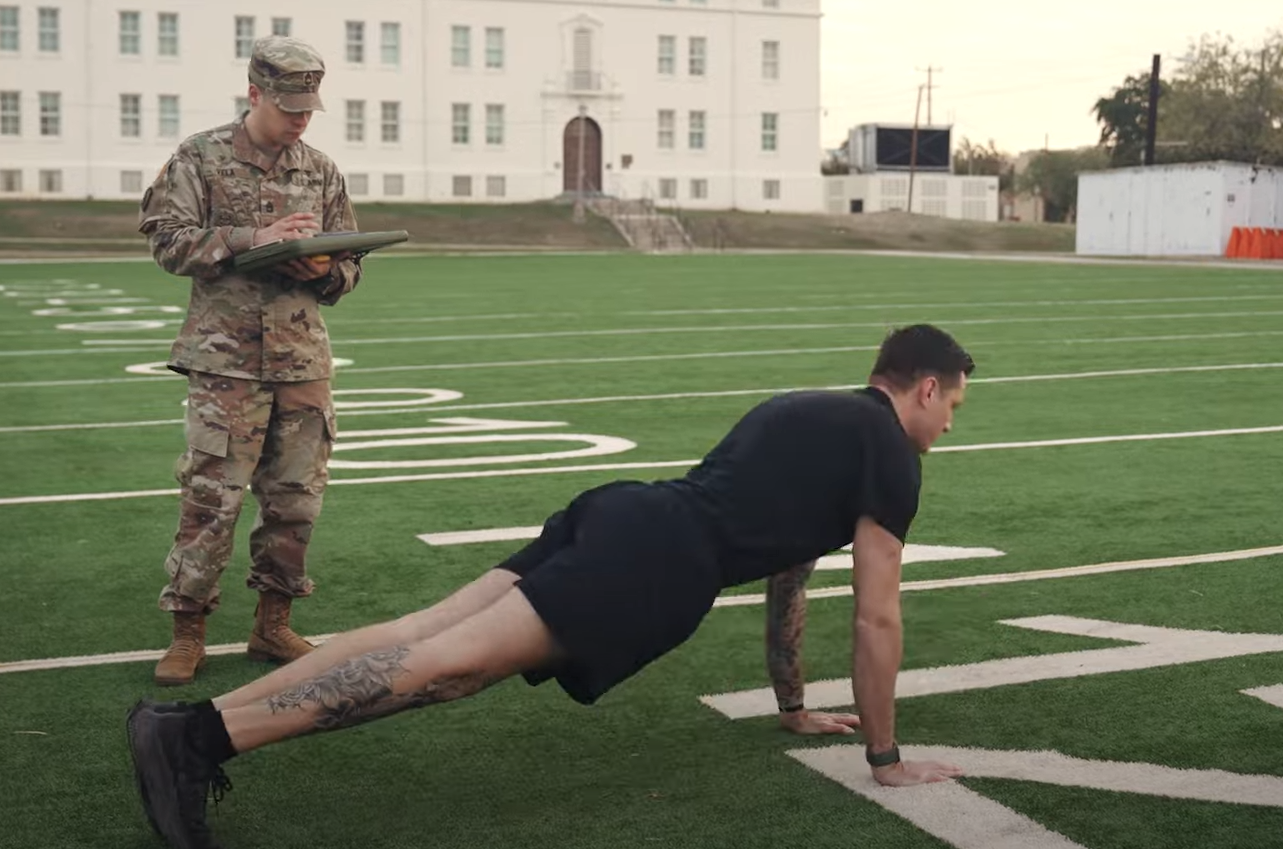
The introduction of the ACFT and its calculations has significant implications for soldiers and the Army. This shift encourages soldiers to develop well-rounded fitness regimens rather than focusing solely on running or push-ups. Firstly, it emphasizes a holistic approach to fitness, recognizing that physical readiness is not just about strength but also endurance, agility, and flexibility.
This case study delves into the anticipated modifications and implications of the ACFT Score 2026 L, focusing on its impact on soldier performance, readiness, and overall health within the United States Army. The Army Combat Fitness Test (ACFT) has undergone significant changes since its inception, and the 2026 iteration promises to further refine the standards by which soldiers are evaluated.
The Sprint-Drag-Carry (SDC) is a multifaceted physical fitness test designed to assess an individual’s strength, speed, agility, and endurance. This case study explores the lane layout and scoring guide for the SDC, providing insights into its implementation in various training environments and competitions.
These standards can be adjusted based on the specific goals of the training program or competition. For example, competitive athletes may aim for a total time under 20 seconds, while recreational participants may have a benchmark of 30 seconds. To effectively evaluate athletes, performance standards should be established based on age, gender, and fitness levels.
Introduced to replace the Army Physical Fitness Test (APFT), the ACFT aims to provide a more comprehensive assessment of soldiers' physical readiness, ensuring they are prepared for the rigors of combat. The importance of ACFT scores extends beyond mere numbers; they encapsulate a soldier's overall physical capability, resilience, and adaptability. This article delves into the significance of ACFT scores, the factors influencing them, and their implications for soldiers' careers and the military as a whole. The Army Combat Fitness Test (ACFT) represents a paradigm shift in how physical fitness is evaluated within the military.
In the world of fitness and athletic performance, the Sprint Drag Carry (SDC) score has emerged as a vital metric for assessing an athlete's functional strength, speed, and endurance. This article delves into the details of the Sprint Drag Carry score, its components, benefits, and how to effectively incorporate it into training. This multi-faceted test is designed to evaluate an athlete's ability to sprint, drag weight, and carry load, making it an essential component of training regimens for various sports and physical fitness programs.Soldiers who excel in the ACFT may find themselves considered for leadership roles or special assignments, while those who struggle may face challenges in their careers. acft 2026 score chart scores hold significant implications for soldiers' careers. This creates a culture where physical fitness is prioritized, encouraging soldiers to adopt healthier lifestyles and engage in regular training. As the military increasingly emphasizes physical fitness as a critical component of readiness, performance on the ACFT can influence promotions, assignments, and retention.This recognition of the mind-body connection in military fitness is a positive development, promoting a more holistic approach to soldier readiness. The ability to push through physical challenges, maintain focus under pressure, and recover from setbacks are all critical traits for soldiers. ACFT scores, therefore, can serve as a reflection of a soldier's mental fortitude, an essential quality in high-stakes environments. The ACFT emphasizes not only physical strength but also mental resilience. Another aspect to consider is the mental component of fitness.
The ACFT, with its diverse events, allows for a more nuanced assessment of fitness, accommodating different body types and strengths. Moreover, the ACFT has the potential to foster a more inclusive environment within the military. The previous APFT was often criticized for its one-size-fits-all approach, which did not adequately account for the varying physical capabilities of soldiers. This inclusivity can lead to improved morale and a greater sense of belonging among soldiers, ultimately enhancing unit cohesion and effectiveness.
As soldiers adapt to this new standard, the ACFT will likely continue to evolve, shaping the future of military readiness and performance. While challenges remain in ensuring fairness and inclusivity, the ACFT represents a significant step forward in how the military approaches fitness assessment. In conclusion, ACFT scores are more than just numerical representations of physical ability; they are indicators of a soldier's overall readiness and potential for success in military operations. The comprehensive nature of the test, combined with its implications for career advancement and unit cohesion, underscores the importance of physical fitness in the modern military landscape.
댓글목록0
댓글 포인트 안내