
Israel says it will keep control over part of southern Lebanon after w…

 Jamal Ewan
본문
The long-running tensions along the Israel–Lebanon border have entered a new and deeply consequential phase. As fighting between Hezbollah and Israel intensifies, Israeli officials have signaled a controversial and potentially transformative policy: maintaining control over parts of southern Lebanon even after the war concludes.
This development raises urgent questions about regional stability, international law, humanitarian conditions, and the broader geopolitical balance in the Middle East.
In this in-depth analysis, we explore what this policy means, why it matters, and how it could reshape the future of Lebanon, Israel, uk news24x7 and the wider region.
The Context: Escalation Along the Israel–Lebanon Border

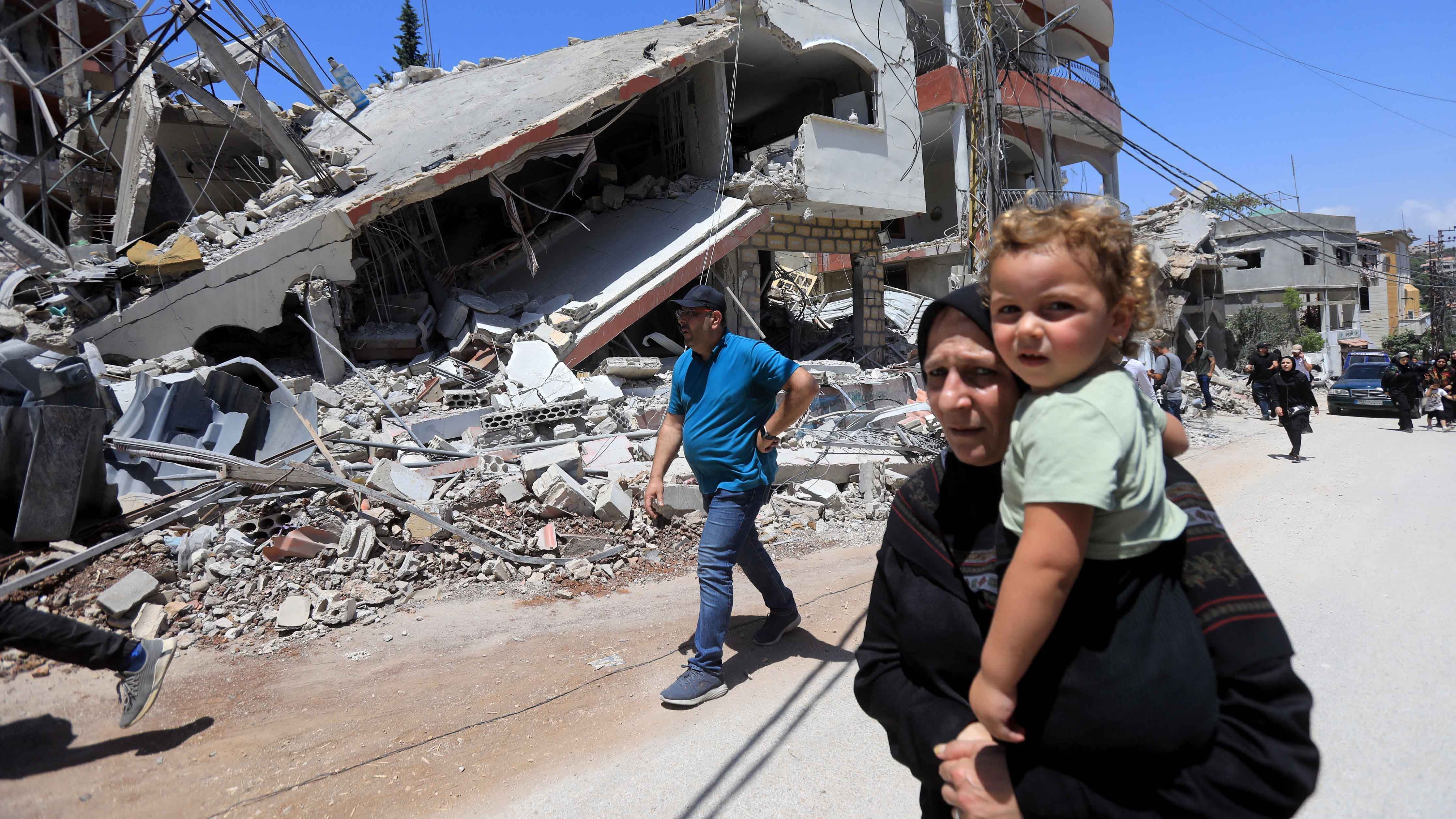
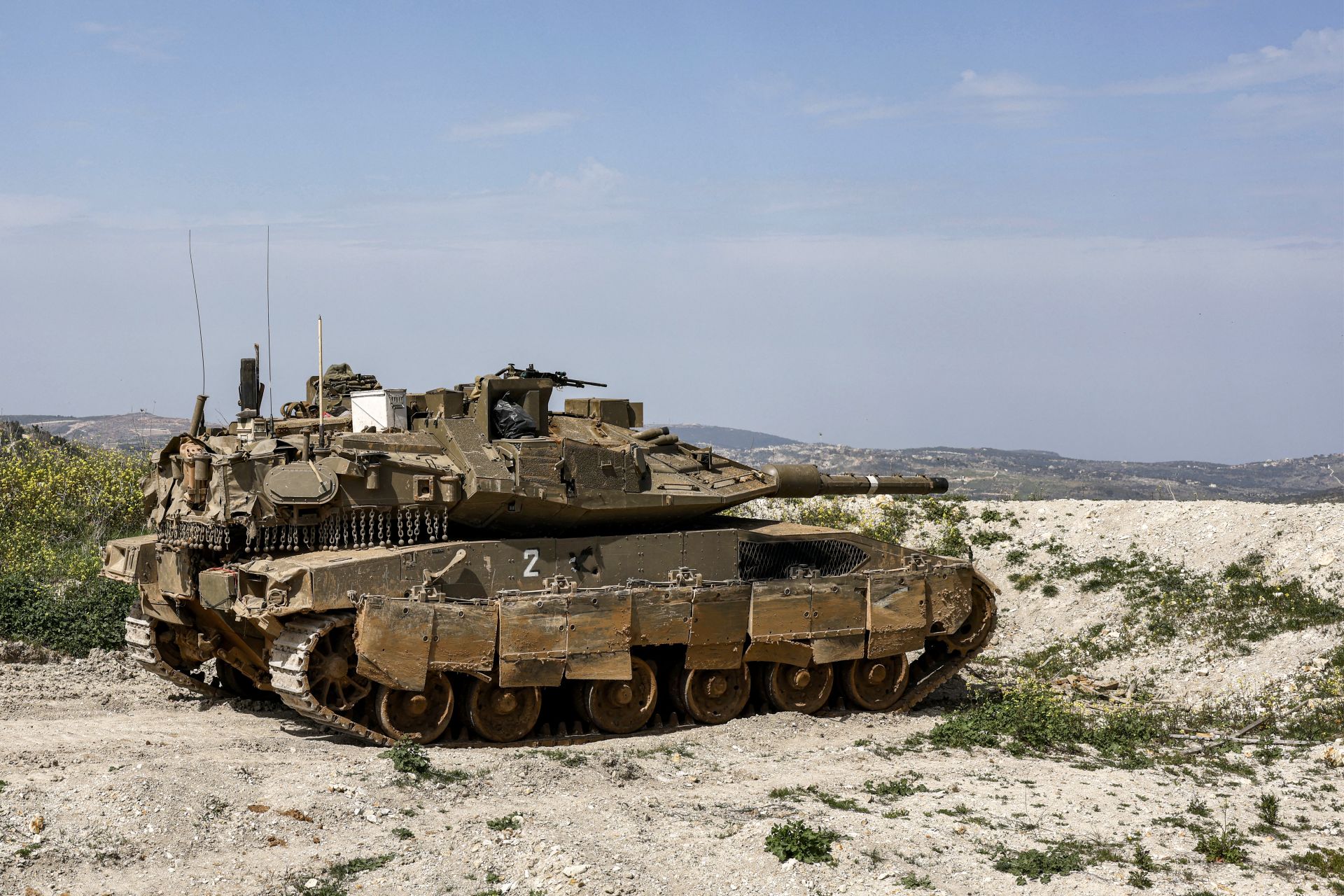
The border between Israel and Lebanon has long been a flashpoint, but recent months have seen a dramatic escalation. Since the outbreak of broader regional tensions linked to conflicts in Gaza, Hezbollah—an Iran-backed militant and political organization—has increased its attacks on northern Israel.
Israel has responded with airstrikes, artillery fire, and targeted operations inside southern Lebanon.
Entire communities on both sides of the border have been evacuated, creating a growing humanitarian crisis.
The current war is not just another flare-up—it represents one of the most dangerous confrontations between the two sides since the 2006 Lebanon War.
Israel’s Strategic Shift: A Buffer Zone in Southern Lebanon
Israeli leaders have made it increasingly clear that returning to the pre-war status quo is no longer acceptable.
The government argues that Hezbollah’s presence near the border poses an existential threat to northern Israeli communities.
Why Israel Wants to Stay
- Security Concerns
- Hezbollah possesses tens of thousands of rockets capable of striking deep into Israel.
- Cross-border raids and infiltration attempts have heightened fears.
- Preventing Future Attacks
- Israeli officials believe a physical buffer zone would push Hezbollah forces farther north.
- This mirrors past strategies used in southern Lebanon before Israel’s withdrawal in 2000.
- Domestic Pressure
- Displaced Israeli citizens are demanding long-term security guarantees before returning home.
Israeli policymakers argue that maintaining control over strategic areas in southern Lebanon could provide a more stable deterrent against future aggression.
Hezbollah’s Position: Resistance and Retaliation
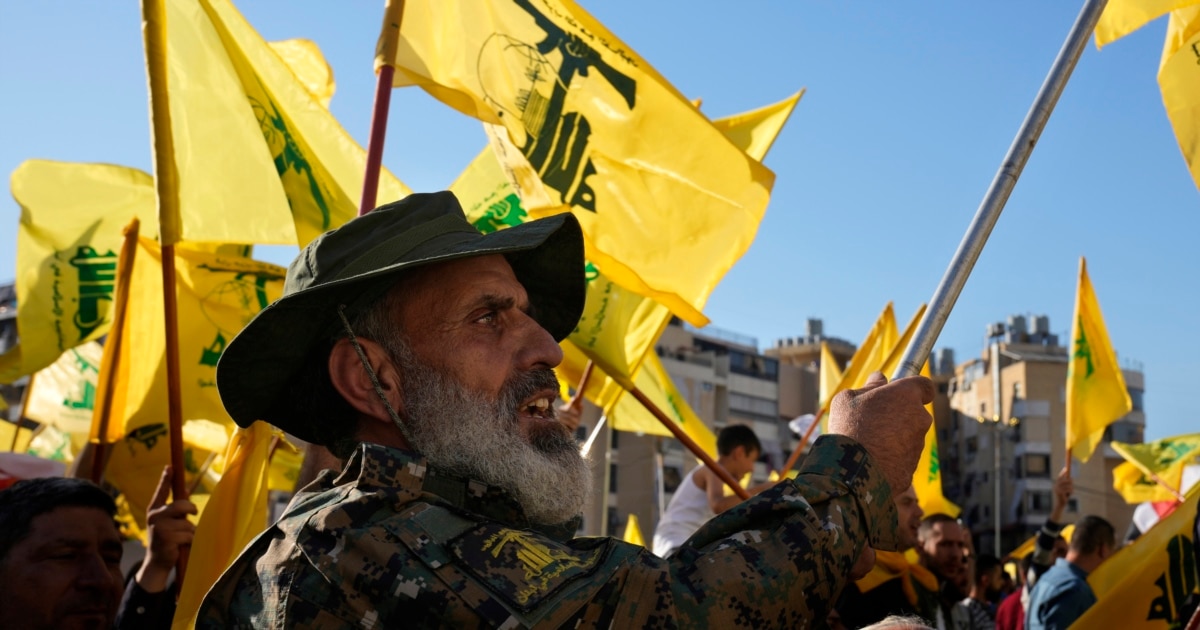

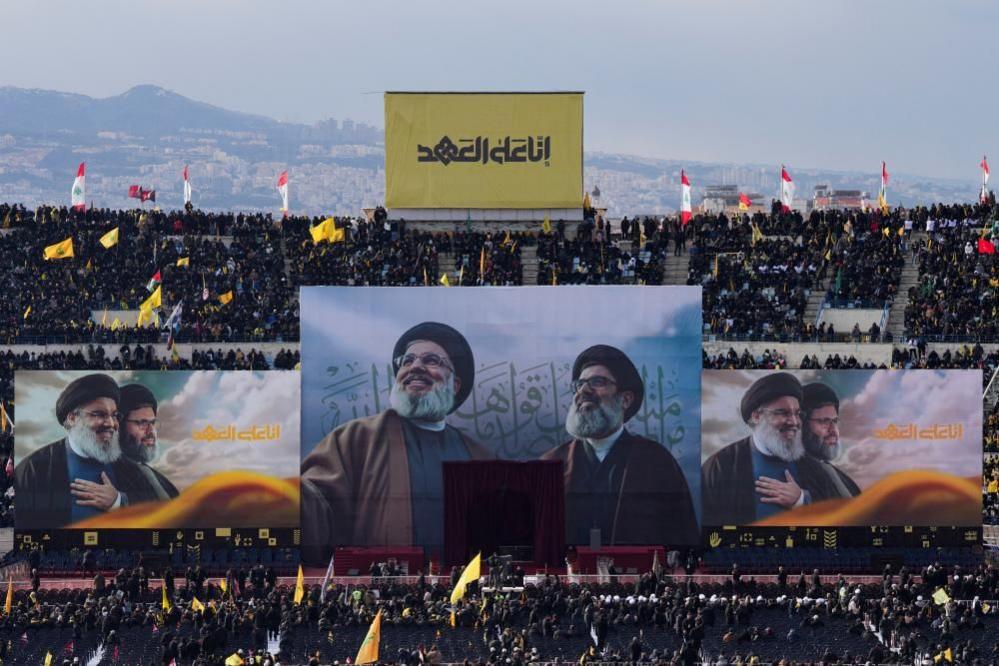
For Hezbollah, any continued Israeli presence in Lebanese territory is unacceptable.
The group frames its mission as resistance against occupation and has vowed to continue fighting if Israel does not fully withdraw.
Key Factors Driving Hezbollah’s Response
- Ideological Commitment
Hezbollah defines itself as a resistance movement against Israel. - Regional Backing
Support from Iran provides financial, logistical, and military assistance. - Political Influence in Lebanon
Hezbollah is not just a militia—it is also a major political force within Lebanon.
Any Israeli attempt to establish a buffer zone is likely to be met with sustained insurgency-style resistance, potentially prolonging the conflict indefinitely.
Legal and International Implications
The prospect of Israel maintaining control over southern Lebanese territory raises serious legal questions under international law.
Occupation vs. Security Zone
- Under international law, prolonged control over foreign territory is generally considered occupation.
- Israel may argue that its presence is a temporary security measure rather than a formal annexation.
댓글목록0
댓글 포인트 안내